CRM with AI Chatbot Integration sets the stage for this enthralling narrative, offering readers a glimpse into a story that is rich in detail and brimming with originality from the outset. In a world where technology is constantly evolving, the fusion of CRM and AI chatbots opens up a world of possibilities for businesses looking to enhance customer interactions and streamline processes.
As we delve deeper into the realms of personalized marketing, customer service efficiency, and predictive analytics, the integration of CRM with AI chatbots emerges as a game-changer in the competitive landscape of modern business.



Discuss the Role of AI in Personalized Marketing Strategies
AI plays a crucial role in enabling personalized marketing strategies by leveraging advanced algorithms to analyze customer data and behavior patterns. This allows businesses to tailor their marketing campaigns to individual preferences and interests, ultimately leading to higher engagement and conversion rates.
Utilization of AI in Analyzing Customer Data
AI technologies such as machine learning algorithms and natural language processing can sift through vast amounts of customer data to identify trends, preferences, and buying patterns. By analyzing this data, businesses can create targeted marketing messages that resonate with specific segments of their customer base.
- Machine learning algorithms can analyze past purchase history to predict future buying behavior.
- Natural language processing can interpret customer feedback and sentiment to personalize marketing communications.
Impact of AI on Customer Segmentation and Targeting
AI allows for more precise customer segmentation and targeting by categorizing customers based on their behavior, preferences, and demographics. This segmentation enables businesses to deliver highly relevant and personalized marketing messages, increasing the likelihood of customer engagement and conversions.
- AI-powered tools can segment customers based on their browsing history, purchase behavior, and interactions with the brand.
- By targeting specific customer segments with personalized offers and recommendations, businesses can enhance customer loyalty and satisfaction.
Enhancing Customer Service with AI-Powered Solutions
AI-powered solutions are revolutionizing customer service operations by streamlining processes, improving response times, and providing personalized assistance to customers. These technologies offer numerous benefits in handling inquiries, resolving issues, and delivering exceptional customer experiences.
AI-Powered Tools for Customer Service Efficiency
AI-powered chatbots, virtual assistants, and automated ticketing systems help businesses handle customer inquiries and issues more efficiently. These tools can provide instant responses, 24/7 support, and personalized solutions to common customer queries.
- Chatbots can assist customers in real-time, offering quick solutions to common problems and inquiries.
- Virtual assistants can guide customers through troubleshooting processes and provide personalized recommendations based on their preferences.
Benefits of Using AI in Customer Service
AI enhances customer service by reducing wait times, improving response accuracy, and ensuring consistent service quality. By automating routine tasks and workflows, businesses can focus on delivering exceptional customer experiences and building long-term relationships with their customers.
- AI-powered solutions can analyze customer data to predict future needs and proactively address potential issues before they arise.
- Companies like Amazon and Starbucks have successfully implemented AI in their customer service operations, leading to higher customer satisfaction and loyalty.
Leveraging AI for Predictive Analytics in Sales
Predictive analytics powered by AI algorithms play a critical role in sales forecasting and optimization. By analyzing historical sales data and customer behavior patterns, businesses can predict future trends, identify potential opportunities, and optimize their sales strategies for maximum efficiency and effectiveness.
Application of AI Algorithms in Sales Data Analysis
AI algorithms can analyze large volumes of sales data to identify patterns, trends, and correlations that inform predictive models. By leveraging this data-driven approach, businesses can forecast sales performance, optimize inventory levels, and allocate resources more effectively.
- Predictive analytics allows businesses to anticipate customer demand, adjust pricing strategies, and launch targeted marketing campaigns to drive sales growth.
- By harnessing AI-driven predictive analytics, companies can gain a competitive edge in a dynamic and rapidly changing market environment.
Importance of CRM Integration with AI Chatbots
In today’s digital age, the integration of Customer Relationship Management (CRM) systems with Artificial Intelligence (AI) chatbots has become crucial for businesses looking to enhance their customer service and communication processes. AI chatbots play a significant role in improving customer satisfaction, streamlining communication, and boosting lead generation and conversion rates.
AI Chatbots Enhancing Customer Service
AI chatbots are revolutionizing customer service by providing instant responses to customer queries, 24/7 availability, and personalized interactions. By integrating CRM systems with AI chatbots, businesses can ensure that customers receive prompt and accurate information, leading to higher levels of satisfaction and loyalty.
Streamlining Communication Processes
The integration of CRM with AI chatbots allows for seamless communication between businesses and customers. AI chatbots can handle routine inquiries, gather customer data, and provide personalized recommendations based on customer preferences. This streamlines communication processes, reduces response times, and ensures a consistent and efficient customer experience.
Impact on Lead Generation and Conversion Rates
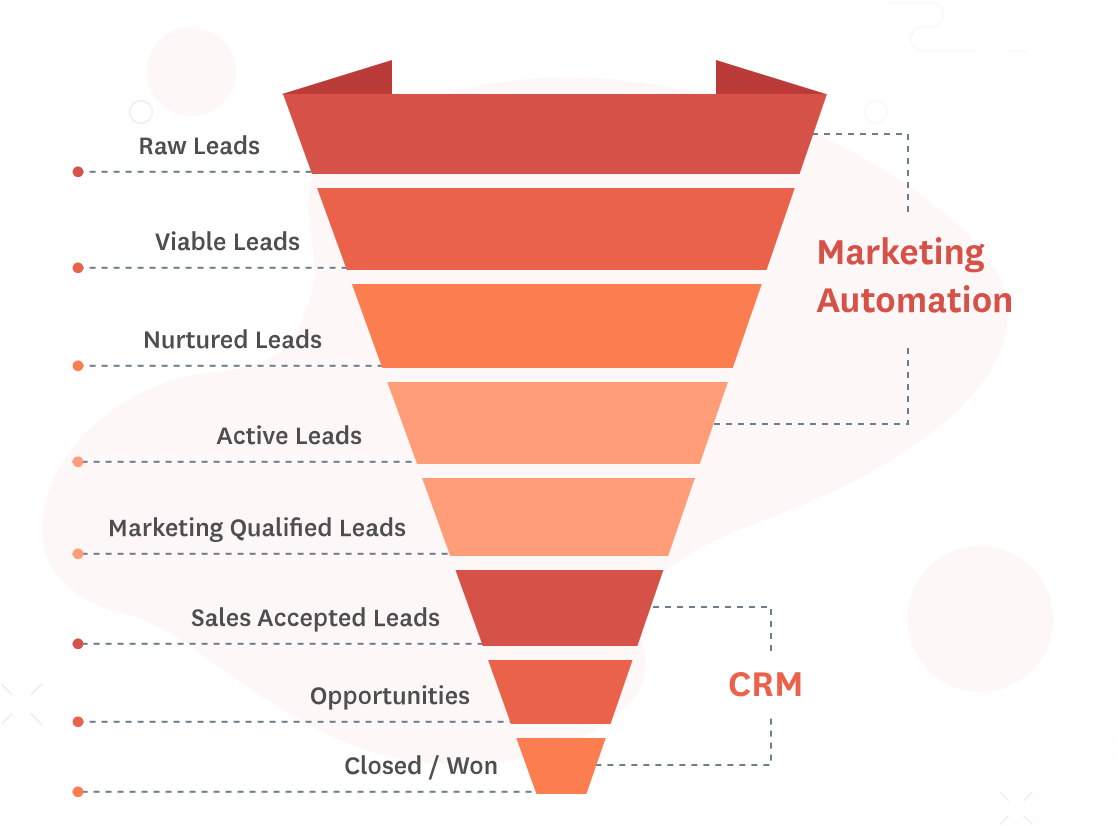
AI chatbots have a significant impact on lead generation and conversion rates by engaging with website visitors, qualifying leads, and guiding them through the sales funnel. By integrating CRM systems with AI chatbots, businesses can track customer interactions, analyze data, and personalize marketing strategies to target leads effectively. This personalized approach leads to higher conversion rates and increased revenue for the business.
Features of CRM with AI Chatbot Integration
AI chatbot integration in CRM systems offers a range of features that enhance customer engagement, streamline processes, and improve overall efficiency. Let’s explore some key features of CRM systems with AI chatbot integration:
Enhanced Customer Data Management
AI chatbots in CRM systems can collect and analyze customer data in real-time, providing valuable insights for personalized marketing strategies. By tracking customer interactions and preferences, AI chatbots help businesses better understand their target audience and tailor their approach accordingly.
Automation Capabilities
CRM integration with AI chatbots enables automation of routine tasks such as answering frequently asked questions, scheduling appointments, and processing orders. This automation not only saves time for both customers and employees but also ensures consistency in customer service.
Seamless Integration
Several CRM platforms, such as Salesforce, HubSpot, and Zoho CRM, offer seamless integration with AI chatbots. These integrations allow businesses to leverage the power of AI for improved customer interactions without disrupting their existing CRM workflows.
Efficiency in Customer Service
CRM systems with AI chatbot integration can handle a higher volume of customer inquiries simultaneously, providing faster response times and reducing wait times. This efficiency leads to higher customer satisfaction and retention rates compared to CRM systems without AI chatbot support.
Impact on Lead Generation and Conversion
AI chatbots play a crucial role in lead generation by engaging with potential customers in a personalized manner, qualifying leads based on predefined criteria, and nurturing them through the sales funnel. This targeted approach significantly boosts conversion rates within CRM systems.
Setting Up and Training AI Chatbots
Setting up AI chatbots in CRM systems involves defining conversation flows, creating response templates, and training the AI model with relevant data. This process ensures that AI chatbots can effectively assist customers, provide accurate information, and escalate complex queries to human agents when necessary.
Cost-Saving Benefits
Implementing AI chatbots in CRM systems can lead to significant cost savings by reducing the workload on customer support teams, minimizing human errors, and optimizing resource allocation. The efficiency and scalability of AI chatbots contribute to lowering operational costs and enhancing overall profitability.
Customer Experience Enhancement
AI chatbots play a crucial role in personalizing customer interactions within CRM systems, enhancing the overall customer experience. By leveraging AI technology, chatbots can analyze customer data and behavior to tailor responses and recommendations to individual preferences and needs.
Personalized Customer Interactions
- AI chatbots utilize customer data stored in CRM systems to personalize interactions, addressing customers by name and offering tailored product recommendations based on past purchases.
- For example, an AI chatbot integrated with CRM can remind a customer of their upcoming subscription renewal date and provide a personalized discount offer to encourage renewal.
Improved Customer Satisfaction and Loyalty
- AI chatbots improve customer satisfaction by providing instant responses to queries, reducing wait times, and offering 24/7 support, leading to increased customer loyalty.
- For instance, an AI chatbot can guide a customer through troubleshooting steps for a technical issue, resolving the issue quickly and efficiently, thereby enhancing customer satisfaction.
Seamless Customer Experiences
- Integration of CRM with AI chatbots ensures seamless customer experiences by maintaining a unified customer profile across all touchpoints and channels.
- For example, a customer can start a conversation with an AI chatbot on a company website and seamlessly continue the interaction on a social media platform without repeating information.
Real-time Data Analysis and Tailored Responses
- Real-time data analysis enables AI chatbots to analyze customer queries instantly and provide tailored responses based on individual preferences, purchase history, and browsing behavior.
- By analyzing real-time data, an AI chatbot can offer personalized product recommendations and promotions to enhance the customer experience and drive sales.
Enhanced Conversational Abilities with NLP
- Natural Language Processing (NLP) empowers AI chatbots to understand and respond to customer queries in a more conversational and human-like manner, enhancing the overall customer experience.
- For instance, AI chatbots equipped with NLP can interpret complex customer inquiries and provide accurate responses, leading to a more engaging interaction.
Comparison: Rule-based vs. AI-powered Chatbots
- AI-powered chatbots outperform rule-based chatbots in customer engagement and satisfaction by offering personalized responses, understanding context, and adapting to customer needs in real-time.
- Rule-based chatbots follow pre-defined scripts and have limited capabilities to customize responses, often resulting in less satisfying customer interactions.
Sentiment Analysis and Proactive Engagement
- AI chatbots use sentiment analysis to gauge customer emotions based on language cues and adjust responses accordingly, ensuring a more empathetic and personalized interaction.
- Proactive engagement by AI chatbots involves anticipating customer queries based on past behavior and offering timely assistance or recommendations without waiting for customer prompts.
Multi-channel Integration for Consistent Experience
- AI chatbots require multi-channel integration to provide a consistent customer experience across various platforms, allowing customers to interact seamlessly regardless of the communication channel used.
- By integrating AI chatbots with multiple channels such as websites, social media, and messaging apps, businesses can ensure that customers receive consistent and personalized support wherever they engage.
Data Management and Analytics
AI chatbots integrated into CRM systems play a crucial role in data management and analytics by collecting, organizing, and analyzing customer data to provide valuable insights for businesses. These AI-powered chatbots automate various processes within CRM systems, making data entry and customer information updates more efficient and accurate.
Role of AI Chatbots in Data Entry and Updates
- AI chatbots streamline the data entry process by extracting information from customer interactions, such as chats and emails, and updating CRM systems in real-time.
- By automating these tasks, AI chatbots ensure that customer data remains current and accurate, leading to improved decision-making and personalized marketing strategies.
Real-Time Data Capture and Lead Generation
- AI chatbots assist in real-time data capture by analyzing customer conversations and interactions to identify potential leads and opportunities for engagement.
- Through intelligent algorithms, AI chatbots can prioritize leads based on customer behavior and preferences, helping businesses focus their efforts on high-potential prospects.
Analytics and Decision-Making
When it comes to analytics and decision-making, CRM systems with AI chatbot integration leverage advanced tools to track performance, segment customers, and provide predictive analytics for personalized marketing campaigns. AI chatbots play a critical role in analyzing customer interactions and feedback to drive strategic decision-making processes.
Types of Analytics Tools in CRM Systems
- Commonly used analytics tools in CRM systems include predictive analytics, customer segmentation tools, and performance tracking metrics to measure the effectiveness of marketing campaigns.
- These tools enable businesses to gain valuable insights into customer behavior, preferences, and trends, allowing for targeted and personalized marketing strategies.
Role of AI Chatbots in Providing Predictive Analytics
- AI chatbots analyze customer interactions, feedback, and historical data to predict future trends and behaviors, enabling businesses to anticipate customer needs and preferences.
- By leveraging predictive analytics, businesses can tailor their marketing campaigns and product offerings to meet the individual needs of customers, improving overall customer satisfaction and loyalty.
Data Insights and Business Strategy
AI chatbots play a crucial role in interpreting patterns and trends within CRM data to identify sales opportunities, customer preferences, and optimize operational processes. By leveraging CRM insights and external data sources, businesses can enhance their decision-making processes and customer engagement strategies.
Leveraging CRM Insights for Business Optimization
- AI chatbots assist businesses in leveraging CRM insights to optimize operational processes by identifying areas for improvement, enhancing customer service, and increasing efficiency.
- By analyzing data from CRM systems and external sources, AI chatbots provide valuable insights that help businesses make informed decisions and drive strategic initiatives.
Facilitating Integration of CRM Data with External Sources
- AI chatbots facilitate the integration of CRM data with external sources by aggregating, analyzing, and correlating information from different channels to provide comprehensive business intelligence analysis.
- Through seamless integration, businesses can gain a holistic view of customer behavior, market trends, and competitive insights, enabling them to make data-driven decisions that drive growth and success.
Workflow Automation
Workflow automation in CRM systems involves utilizing AI chatbots to streamline repetitive tasks, improve operational efficiency, and enhance customer interactions.
Automation of Repetitive Tasks
- AI chatbots can automate routine customer inquiries, such as order status, account information updates, and product recommendations, freeing up human agents to focus on more complex issues.
- Automating data entry processes, scheduling appointments, sending reminders, and updating customer records are examples of tasks that can be efficiently handled by AI chatbots.
Impact on Operational Efficiency
- Workflow automation through AI chatbots reduces response times, minimizes errors, and ensures consistency in customer interactions, leading to improved operational efficiency.
- By automating repetitive tasks, organizations can handle a higher volume of customer inquiries without increasing manpower, resulting in cost savings and increased productivity.
Setting up AI Chatbots for Customer Inquiries
- Integrate AI chatbot platforms with CRM systems to enable seamless communication and data sharing.
- Define clear objectives and desired outcomes for the AI chatbot implementation, including identifying key customer inquiries to automate.
- Train the AI chatbot using historical customer data and real-time interactions to improve response accuracy and relevance.
- Regularly monitor and analyze chatbot performance metrics to identify areas for optimization and continuous improvement.
Role of Natural Language Processing (NLP)
- Natural Language Processing (NLP) enables AI chatbots to understand and interpret human language, allowing them to provide relevant responses to customer queries.
- NLP algorithms analyze text inputs, identify patterns, and extract meaning to deliver personalized and contextually appropriate answers to customers.
Case Study: Improving Response Time and Customer Satisfaction
By implementing AI chatbots in their CRM workflow, Company X reduced response times by 40% and increased customer satisfaction scores by 25% within the first six months.
In this case, the AI chatbots were trained to handle common customer inquiries, such as product information requests and order status updates, resulting in faster resolution times and improved overall customer experience.
Integration Challenges and Solutions
When integrating AI chatbots with CRM systems, businesses often encounter various challenges that can hinder the seamless integration of these technologies. It is essential to address these challenges effectively to ensure a smooth and successful integration process.
One common challenge is the compatibility of systems and data. AI chatbots and CRM systems may use different formats or structures for data, making it difficult to exchange information seamlessly. This can lead to data discrepancies and errors in customer interactions. To overcome this challenge, businesses should invest in data mapping tools and APIs that can facilitate data integration between AI chatbots and CRM systems.
Another challenge is the complexity of integration processes. Integrating AI chatbots with CRM systems requires technical expertise and resources, which may be lacking in some organizations. To address this challenge, businesses can consider partnering with external vendors or consultants who specialize in AI integration to navigate the complexities of the integration process effectively.
Furthermore, ensuring data security and compliance is crucial when integrating AI chatbots with CRM systems. Businesses must adhere to data privacy regulations and implement robust security measures to protect customer data. Implementing encryption protocols, access controls, and regular security audits can help mitigate security risks associated with AI integration.
Best Practices for Seamless CRM Integration with AI Chatbots
To achieve seamless CRM integration with AI chatbots, businesses can follow these best practices:
- Define clear integration goals and objectives to align AI chatbot capabilities with CRM functionalities.
- Collaborate cross-functionally between IT, marketing, and customer service teams to ensure a holistic integration approach.
- Test integration processes thoroughly to identify and resolve any issues before full deployment.
- Provide training and support to employees involved in using AI chatbots and CRM systems to maximize the benefits of integration.
- Regularly monitor and evaluate the performance of integrated systems to make necessary adjustments and improvements.
Security and Compliance Considerations
Data security is a critical aspect when utilizing AI chatbots in CRM systems. As businesses collect and process vast amounts of customer data, ensuring the protection of this information is essential to maintain trust and credibility.
Importance of Data Security
- Implement encryption protocols to safeguard sensitive information such as customer details, transactions, and communications.
- Regularly update security measures and software to prevent vulnerabilities and cyber threats.
- Restrict access to data through role-based permissions to prevent unauthorized usage.
Compliance Regulations
- Businesses integrating AI chatbots with CRM systems must comply with data protection laws such as GDPR, CCPA, HIPAA, etc.
- Ensure transparency in data collection and processing practices to meet regulatory requirements.
- Obtain explicit consent from customers before storing or using their personal data.
Tips for Data Privacy and Security
- Regularly conduct security audits and assessments to identify and address vulnerabilities.
- Train employees on data security best practices and protocols to minimize risks of data breaches.
- Utilize secure authentication methods such as multi-factor authentication to enhance access control.
Industry Applications
AI chatbots integrated with CRM systems are revolutionizing various industries by providing personalized customer interactions and streamlining processes. Let’s explore how different sectors are leveraging this technology to enhance their customer experience and operational efficiency.
E-commerce
AI chatbots are widely used in e-commerce to provide real-time customer support, recommend products based on customer preferences, and assist with order tracking and returns. By integrating AI chatbots with CRM systems, e-commerce companies can offer personalized shopping experiences, improve customer engagement, and increase sales conversions.
- AI chatbots can answer customer queries, provide product recommendations, and offer assistance throughout the purchasing process.
- By analyzing customer data and behavior, AI chatbots can tailor marketing campaigns and promotions to individual customers, increasing customer loyalty and retention.
- Integration of AI chatbots with CRM systems enables e-commerce businesses to automate order processing, inventory management, and customer service, leading to improved operational efficiency.
Healthcare
In the healthcare industry, AI chatbots integrated with CRM systems are used to schedule appointments, remind patients of medication schedules, and provide medical advice based on symptoms. These AI-powered solutions help healthcare providers deliver better patient care, optimize workflows, and reduce administrative burden.
- AI chatbots can triage patient inquiries, provide general health information, and offer guidance on seeking medical help, improving patient access to care.
- By capturing patient data and interactions, AI chatbots integrated with CRM systems can personalize treatment plans, follow-up care, and wellness recommendations.
- Integration of AI chatbots with CRM systems enables healthcare organizations to streamline patient communication, manage appointments efficiently, and enhance overall patient satisfaction.
Finance
In the finance industry, AI chatbots integrated with CRM systems are used for customer onboarding, account management, and personalized financial advice. These AI-powered solutions help financial institutions deliver tailored services, enhance customer engagement, and improve operational efficiency.
- AI chatbots can assist customers with account inquiries, transaction monitoring, and financial planning, providing a seamless banking experience.
- By analyzing customer financial data and behavior, AI chatbots can offer personalized investment recommendations, loan options, and insurance products.
- Integration of AI chatbots with CRM systems enables financial firms to automate routine tasks, reduce manual errors, and deliver proactive customer service, leading to increased customer satisfaction and loyalty.
Future Trends
The future of CRM with AI chatbot integration looks promising as technology continues to advance rapidly. Emerging trends are shaping the way businesses interact with customers, providing personalized experiences and improving overall efficiency. Let’s delve into some key trends to watch out for:
Enhanced Customer Engagement
- AI chatbots will become more sophisticated, offering advanced conversational capabilities to engage customers in more meaningful interactions.
- Integration with voice recognition technology will enable seamless communication, allowing customers to interact with chatbots through voice commands.
- Personalization will reach new heights, with AI analyzing customer data in real-time to tailor responses and offers based on individual preferences.
Automation and Efficiency
- AI-driven automation will streamline processes, automating routine tasks and freeing up human agents to focus on more complex customer issues.
- Predictive analytics will play a key role in anticipating customer needs, enabling proactive engagement and personalized recommendations.
- Robotic Process Automation (RPA) will complement AI chatbots, further enhancing workflow automation and operational efficiency.
Data Security and Privacy
- Enhanced data security measures will be implemented to protect sensitive customer information shared during interactions with AI chatbots.
- Privacy regulations such as GDPR will continue to shape the development of AI chatbots, ensuring compliance with data protection laws.
- Blockchain technology may be integrated to enhance data security and transparency in CRM systems leveraging AI chatbots.
Final Summary
In conclusion, the integration of CRM with AI chatbots not only transforms customer experiences but also empowers businesses to make informed decisions based on real-time data insights. As the future of CRM continues to evolve, embracing AI chatbot integration is key to staying ahead of the curve and delivering exceptional service in a digital age.
