CRM for Sales and Marketing Automation revolutionizes how businesses manage customer relationships, streamline processes, and drive sales growth. Explore the key benefits and features of CRM systems in this dynamic field.
Introduction to CRM for Sales and Marketing Automation
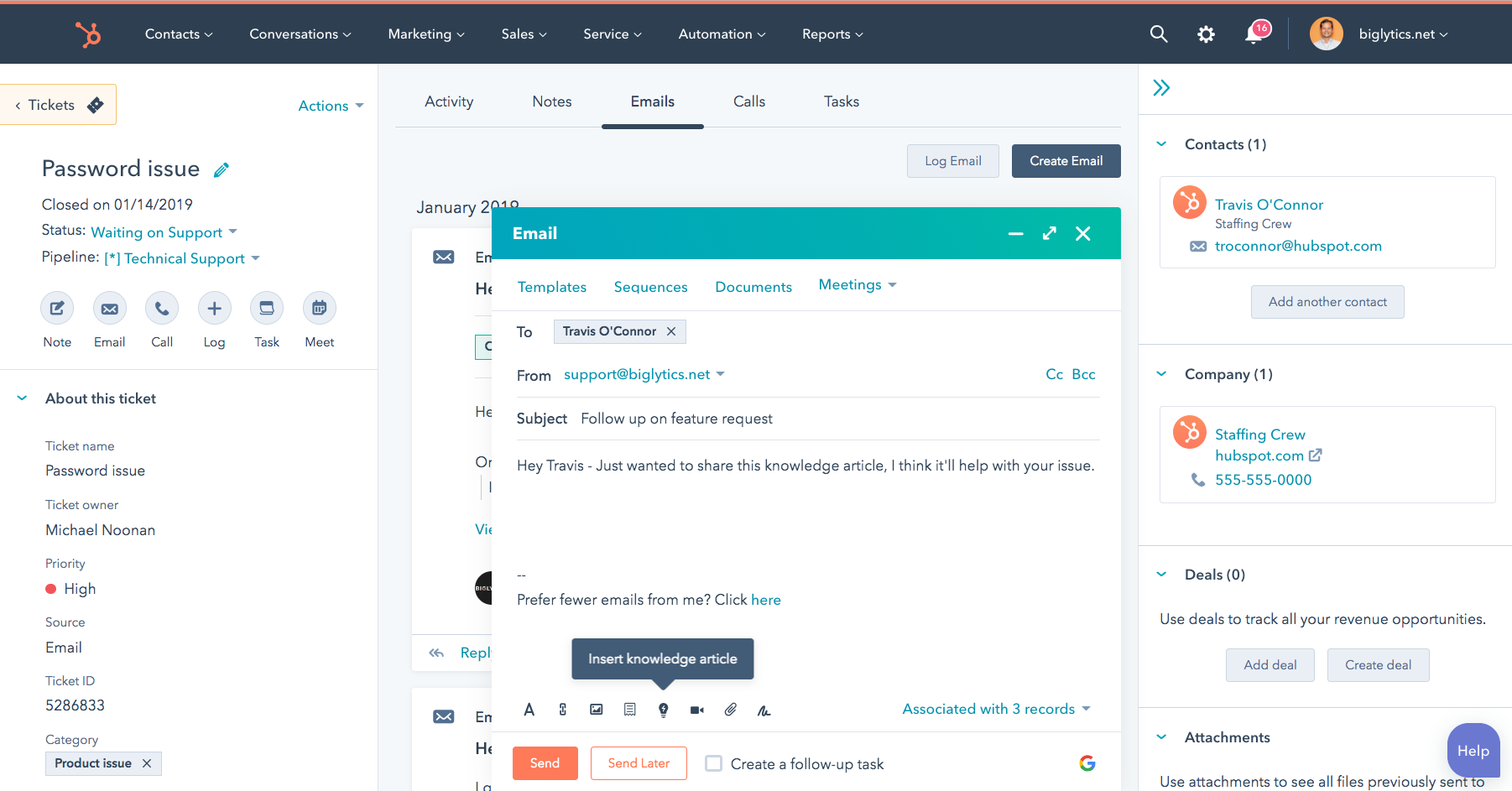
CRM, or Customer Relationship Management, is a technology that allows businesses to manage and analyze interactions with both current and potential customers. One of the key roles of CRM is to automate sales and marketing processes, improving efficiency and effectiveness in reaching customers. CRM systems offer a wide range of features tailored to the specific needs of sales and marketing teams, helping them streamline their operations and boost productivity.



Benefits of CRM Implementation in Sales and Marketing
- CRM enables tracking customer interactions, managing leads, and nurturing relationships to drive sales growth. It provides a centralized platform to store and analyze customer data, ensuring that sales and marketing teams have a complete view of customer interactions.
- By using CRM, businesses can create targeted marketing campaigns, deliver personalized communication, and implement effective customer retention strategies. This personalized approach leads to higher engagement and conversion rates.
- The reporting and analytics capabilities of CRM systems offer valuable insights for decision-making and performance evaluation. By analyzing data on customer behavior, sales trends, and marketing campaign effectiveness, businesses can make informed decisions to optimize their strategies.
Streamlining Processes with CRM Systems
- CRM systems centralize customer data, streamline communication, and automate repetitive tasks for sales and marketing teams. This centralized approach eliminates data silos and ensures that all team members have access to real-time information, improving collaboration and efficiency.
- Integrating CRM with other tools such as email marketing platforms or analytics software enhances workflow efficiency. By connecting different systems, businesses can automate data synchronization and streamline processes, saving time and reducing manual errors.
- Setting up customizable workflows in CRM helps automate sales pipeline stages and marketing campaign processes. By defining specific triggers and actions within the CRM system, businesses can ensure that leads are nurtured effectively and that marketing efforts are targeted towards the right audience.
Key Features of CRM Systems
CRM systems are essential tools for sales and marketing automation, offering a wide range of features to streamline processes and enhance customer relationship management.
Data Management
- Centralized customer database for easy access to customer information.
- Tracking interactions and transactions to provide a complete view of customer history.
- Segmentation capabilities for targeted marketing campaigns based on customer data.
Task Automation
- Automating repetitive tasks such as email responses and follow-ups to save time.
- Scheduling reminders for sales calls, meetings, and other important activities.
- Workflow automation to streamline sales processes and ensure consistency.
Analytics and Reporting
- Generating reports on sales performance, customer engagement, and marketing campaigns.
- Tracking key performance indicators (KPIs) to measure success and identify areas for improvement.
Integration Capabilities
- Integration with other tools such as email marketing platforms and social media for a seamless workflow.
- Connecting CRM data with third-party applications for a holistic view of customer interactions.
Integration of CRM with Sales and Marketing Tools
Integrating CRM systems with sales and marketing tools is crucial for streamlining processes and improving overall efficiency in managing customer relationships. By connecting these systems, businesses can enhance data accuracy, optimize workflows, and boost performance.
Popular Tools for CRM Integration
Several popular sales and marketing tools seamlessly integrate with CRM systems, offering enhanced functionalities and capabilities. Some examples include:
- HubSpot: A comprehensive inbound marketing and sales platform that integrates seamlessly with various CRM systems, allowing for efficient lead management and tracking.
- Salesforce: A leading CRM platform that offers extensive integration options with a wide range of sales and marketing tools, enabling businesses to customize their workflows and processes.
- Mailchimp: An email marketing tool that integrates with CRM systems to sync customer data and improve email campaign targeting and personalization.
Impact of Integration on Data Accuracy and Efficiency
Integrating CRM systems with sales and marketing tools has a significant impact on data accuracy, efficiency, and overall performance:
-
Improved Data Accuracy:
Integration ensures that data is synced in real-time across all systems, reducing the risk of errors and inconsistencies.
-
Enhanced Efficiency:
Automation of tasks and workflows streamlines processes, saving time and resources for sales and marketing teams.
-
Optimized Performance:
By having a unified view of customer data and interactions, businesses can make informed decisions and improve their sales and marketing strategies.
Setting Up Integration Between CRM Systems and Sales/Marketing Tools
Setting up integration between CRM systems and sales/marketing tools involves the following steps:
- Identify the tools to be integrated and ensure compatibility with the CRM system.
- Configure the integration settings within the CRM platform to establish a connection with the selected tools.
- Map the data fields between the CRM system and the sales/marketing tools to ensure seamless data flow.
- Test the integration to ensure data synchronization and functionality are working correctly.
Comparison Table of CRM Integrations
| CRM Integration | Features | Benefits |
|---|---|---|
| HubSpot | Lead management, email marketing, marketing automation | Improved lead tracking, personalized marketing campaigns |
| Salesforce | Customizable workflows, extensive reporting, integration with third-party apps | Enhanced sales processes, data-driven insights, scalability |
| Mailchimp | Email campaign automation, customer segmentation, reporting tools | Enhanced email targeting, improved campaign performance |
Customization and Personalization in CRM
Customization and personalization play a crucial role in CRM for sales and marketing, as they allow businesses to tailor their interactions with customers based on individual preferences and needs. This level of customization can lead to improved customer satisfaction, increased sales, and better retention rates.
Best Practices for Tailoring CRM Systems
- Define specific goals and objectives: Before customizing your CRM system, clearly outline what you want to achieve and how customization can help you reach those goals.
- Segment your customer base: Divide your customers into different segments based on demographics, behavior, or preferences to create personalized marketing campaigns.
- Integrate data from various sources: Ensure that your CRM system integrates data from multiple sources to provide a comprehensive view of each customer and personalize interactions accordingly.
- Create customized reports and dashboards: Tailor your reporting tools to track key metrics that are relevant to your business and easily accessible for your team.
- Train your team: Provide training to your sales and marketing teams on how to use the customized CRM system effectively to maximize its potential.
Personalized Customer Interactions for Increased Sales and Better Retention
- Deliver targeted marketing messages: Use personalized data to send relevant offers and promotions to customers, increasing the likelihood of conversion.
- Provide personalized recommendations: Recommend products or services based on past purchases or browsing behavior to enhance the customer experience.
- Improve customer service: Personalize customer service interactions by addressing customers by name and offering tailored solutions to their inquiries or issues.
- Build long-term relationships: By customizing interactions and providing personalized experiences, businesses can foster loyalty and improve customer retention rates over time.
Data Management and Analytics in CRM
Data management and analytics play a crucial role in CRM systems by helping organizations organize, analyze, and leverage customer data effectively. This enables sales and marketing teams to make informed decisions that drive business growth and enhance customer relationships.
Role of Data Management and Analytics
Data management in CRM involves collecting, storing, and maintaining customer information in a centralized database. Analytics, on the other hand, refers to the process of analyzing this data to extract valuable insights and trends. By combining data management and analytics, CRM systems enable businesses to track customer interactions, predict future behaviors, and personalize marketing campaigns.
- Identifying Customer Trends: CRM systems use data analytics to identify patterns and trends in customer behavior, preferences, and purchasing habits. This information helps sales and marketing teams tailor their strategies to meet customer needs effectively.
- Improving Sales Forecasting: Through data management and analytics, CRM systems provide accurate sales forecasts based on historical data and current trends. This helps organizations set realistic sales targets and allocate resources efficiently.
- Enhancing Customer Engagement: By analyzing customer data, CRM systems help businesses understand their customers better and engage with them in a more personalized manner. This leads to increased customer satisfaction and loyalty.
Importance of Data Accuracy, Accessibility, and Security
Data accuracy, accessibility, and security are essential aspects of CRM implementations to ensure the reliability and integrity of customer information.
- Data Accuracy: Maintaining accurate customer data is critical for making informed business decisions. CRM systems must have mechanisms in place to validate and update data regularly to avoid errors and inconsistencies.
- Data Accessibility: Sales and marketing teams need easy access to customer data to respond quickly to inquiries, personalize interactions, and track customer interactions. CRM systems should provide secure and user-friendly interfaces for accessing information efficiently.
- Data Security: Protecting customer data from unauthorized access and cyber threats is paramount in CRM implementations. Implementing robust security measures, such as encryption and access controls, ensures the confidentiality and integrity of customer information.
CRM Implementation Strategies
Implementing a CRM system in sales and marketing requires careful planning and execution to ensure its success. Let’s explore different strategies, challenges, tips, and comparisons to help businesses make the most out of their CRM implementation.
Different Strategies for Successful CRM Implementation
- Define clear objectives and goals for CRM implementation.
- Involve key stakeholders from sales, marketing, and IT departments in the process.
- Provide comprehensive training to employees to ensure proper adoption of the CRM system.
- Start with a phased approach to implementation to manage risks and ensure a smooth transition.
Challenges Associated with CRM Implementation and Ways to Overcome Them
- Resistance from employees to change: Address this by communicating the benefits of CRM and involving them in the decision-making process.
- Data quality issues: Implement data cleansing processes and establish data governance policies to maintain the accuracy of information.
- Lack of executive buy-in: Secure support from top management by demonstrating the ROI of CRM and its impact on business outcomes.
Tips for Ensuring a Smooth Transition to a New CRM System
- Conduct thorough testing before full deployment to identify and resolve any issues.
- Provide ongoing support and training to users to encourage adoption and maximize utilization of the CRM system.
- Monitor key performance indicators to track the success of CRM implementation and make necessary adjustments.
Comparison Between Cloud-based CRM Solutions and On-premise CRM Systems
| Cloud-based CRM | On-premise CRM |
|---|---|
Advantages:
|
Advantages:
|
Disadvantages:
|
Disadvantages:
|
Step-by-step Guide on Customizing a CRM System
- Identify the specific business needs and requirements that the CRM system should address.
- Evaluate third-party tools and applications that can enhance the functionality of the CRM system.
- Configure the CRM system settings to align with the business processes and workflows.
- Integrate external systems and data sources for a comprehensive view of customer information.
Case Study: Successful CRM Implementation in a Real Business Scenario
In a retail company, the implementation of a cloud-based CRM system led to improved customer engagement, streamlined sales processes, and increased revenue. Despite initial challenges with data migration and user training, the company saw significant benefits in customer retention and satisfaction.
Training and Adoption of CRM Systems
Effective training and adoption of CRM systems are crucial for the success of sales and marketing teams. Proper education and engagement with CRM platforms can significantly improve team performance and overall efficiency.
Importance of Training Sales and Marketing Teams
Training sales and marketing teams on using CRM systems is essential to ensure that they understand the tools and features available to them. By providing comprehensive training, teams can maximize the benefits of CRM systems and leverage them to drive sales and marketing efforts effectively.
Strategies for Promoting User Adoption and Engagement
- Offer hands-on training sessions to allow users to practice using the CRM system in a controlled environment.
- Create user-friendly guides and resources to help team members navigate the CRM platform easily.
- Provide ongoing support and encouragement to motivate users to engage with the CRM system regularly.
- Incorporate gamification elements to make learning and using the CRM system more interactive and enjoyable.
Examples of Successful CRM Training Programs
Company XYZ implemented a comprehensive CRM training program that included interactive workshops, online tutorials, and one-on-one coaching sessions. As a result, their sales team saw a 30% increase in productivity and a 20% boost in revenue within the first quarter of adopting the CRM system.
Mobile CRM Applications
Mobile CRM applications play a crucial role in enhancing sales and marketing automation by providing teams with the flexibility and accessibility needed to stay connected and productive while on the go.
Benefits of Using Mobile CRM Applications
- Improved productivity and efficiency for sales and marketing teams working remotely.
- Real-time access to customer data and insights, enabling faster decision-making.
- Enhanced collaboration among team members, regardless of their physical location.
- Ability to update and track sales activities on the move, leading to quicker follow-ups and closing deals.
Selecting a Mobile CRM Solution
- Consider the specific needs and goals of your business to choose a mobile CRM app that aligns with your requirements.
- Look for features like offline access, customization options, and seamless integration with existing tools.
- Read reviews and seek recommendations from other businesses to find a reliable and user-friendly mobile CRM solution.
Key Features of Mobile CRM Apps
- Offline access to critical data for uninterrupted work even without an internet connection.
- Customization options to tailor the app to match your unique business processes and requirements.
- Integration capabilities with other tools such as email, calendar, and project management apps for seamless workflow.
Successful Mobile CRM Implementations
One example of a successful mobile CRM implementation is XYZ Company, which saw a 30% increase in sales productivity after adopting a mobile CRM solution that enabled their sales team to access real-time customer data and respond to inquiries promptly.
Comparison of Popular Mobile CRM Applications
| CRM Application | Pros | Cons |
|---|---|---|
| Salesforce | Robust features and customization options. | Higher cost compared to other options. |
| HubSpot | User-friendly interface and seamless integration. | Limited advanced features in the free version. |
| Zoho | Affordable pricing and comprehensive CRM functionalities. | May require additional customization for specific business needs. |
Setting Up and Configuring a Mobile CRM App
- Download the mobile CRM app from the app store relevant to your device’s operating system.
- Log in with your CRM credentials and sync your data for offline access.
- Customize the app settings to align with your workflow and preferences.
- Integrate the app with other tools and platforms to maximize its functionality.
CRM for Lead Generation and Nurturing
Lead generation and nurturing are crucial aspects of any sales and marketing strategy. CRM systems play a vital role in facilitating these processes by providing a centralized platform to track, manage, and analyze leads effectively.
Facilitating Lead Generation
- CRM systems enable businesses to capture leads from various sources such as website forms, social media, email campaigns, and events, consolidating them into a single database for easy access.
- Automated lead scoring and qualification features in CRM help prioritize leads based on their readiness to make a purchase, allowing sales teams to focus on high-potential prospects.
- Personalized communication tools within CRM allow for targeted lead nurturing campaigns, delivering relevant content at the right time to move leads through the sales funnel.
Best Practices for Lead Management
- Regularly update lead information in CRM to ensure accurate and up-to-date data for effective nurturing and follow-up.
- Utilize lead tracking and analytics features in CRM to measure the effectiveness of lead generation campaigns and make data-driven decisions for optimization.
- Implement lead scoring models aligned with your business goals to identify the most promising leads for conversion, improving sales efficiency.
Successful Examples of Lead Generation Campaigns
- Company ABC utilized CRM data to segment leads based on demographics and behavior, tailoring personalized email campaigns that resulted in a 20% increase in lead conversions.
- Startup XYZ integrated CRM with their social media platforms to track lead interactions and engagement, leading to a 30% growth in qualified leads within three months.
- Global Corporation 123 automated lead nurturing workflows in their CRM system, reducing lead response time by 50% and boosting overall lead conversion rates by 25%.
Customer Journey Mapping with CRM
Customer journey mapping with CRM involves a strategic approach to understanding and analyzing the various touchpoints and interactions a customer has with a company throughout their buying journey. By utilizing CRM systems, businesses can map out these touchpoints, identify key stages in the customer journey, and tailor their marketing and sales efforts accordingly.
Key Steps in Creating a Customer Journey Map using CRM Systems
- Define Customer Personas: Identify different customer segments and create detailed profiles to understand their needs and preferences.
- Map Customer Touchpoints: Utilize CRM data to track customer interactions across various channels, such as emails, social media, and website visits.
- Analyze Customer Behavior: Use CRM insights to analyze customer behavior, preferences, and pain points at each stage of the journey.
- Create Journey Maps: Develop visual representations of the customer journey, highlighting key touchpoints, pain points, and opportunities for engagement.
Comparison between Traditional and CRM-Driven Customer Journey Mapping Approaches
- Traditional methods often rely on surveys and feedback, while CRM-driven approaches use real-time data and analytics for a more accurate representation of the customer journey.
- CRM systems provide a holistic view of customer interactions across multiple channels, allowing for a more comprehensive understanding of the customer journey.
- Traditional methods may be more static and less dynamic, whereas CRM-driven mapping can adapt in real-time based on changing customer behavior.
Integrating CRM Insights into Customer Journey Maps
- Identify Key Data Points: Determine which CRM data points are most relevant to understanding the customer journey.
- Create Customer Segments: Use CRM insights to segment customers based on behavior, preferences, and engagement levels.
- Map Touchpoints: Plot customer interactions and touchpoints on the journey map to visualize the customer experience.
- Optimize Engagement: Utilize CRM insights to personalize marketing and sales efforts at each stage of the customer journey.
Role of AI and Machine Learning in Enhancing CRM Data for Customer Journey Mapping
- AI and machine learning algorithms can analyze large volumes of CRM data to identify patterns, trends, and predictive insights for customer behavior.
- These technologies can help businesses predict customer needs, personalize interactions, and optimize the customer journey for better engagement and conversion rates.
- By leveraging AI-driven CRM capabilities, companies can enhance the accuracy and effectiveness of their customer journey mapping strategies.
CRM for Sales Forecasting and Reporting
CRM systems play a crucial role in sales forecasting and reporting by providing valuable insights and data-driven analysis to help businesses make informed decisions. With the help of CRM analytics, accurate sales predictions and performance tracking become achievable, leading to improved sales strategies and enhanced business outcomes.
Role of CRM in Sales Forecasting and Reporting
CRM systems act as a central hub for storing and organizing customer data, sales activities, and interactions. By leveraging this data, businesses can generate detailed sales forecasts and reports to anticipate future trends and opportunities.
How CRM Analytics Enable Accurate Sales Predictions
- Utilizing historical data: CRM analytics use past sales data to identify patterns and trends, enabling businesses to forecast future sales with greater accuracy.
- Segmentation and targeting: CRM systems allow for customer segmentation based on behavior and preferences, helping sales teams target the right audience with personalized offers.
- Lead scoring and qualification: By analyzing lead data and behavior, CRM analytics can determine the likelihood of a lead converting into a sale, aiding in accurate sales predictions.
Tips for Generating Insightful Reports Using CRM Data
- Customize report templates: Tailor reports to align with specific business goals and metrics, ensuring the data presented is relevant and actionable.
- Visualize data effectively: Use graphs, charts, and dashboards to present CRM data in a visually appealing and easy-to-understand format for stakeholders.
- Regularly review and analyze reports: Continuously monitor sales performance and trends, identifying areas for improvement and adjustment in sales strategies.
CRM Integration with E-commerce Platforms
Integrating CRM systems with e-commerce platforms can bring numerous benefits to businesses. This integration allows for a seamless flow of customer data, enabling personalized interactions and streamlined sales processes.
Advantages of CRM-E-commerce Integration
- Enhanced customer experience through personalized interactions and targeted marketing efforts.
- Improved sales automation by tracking customer interactions and behaviors across platforms.
- Efficient order processing and inventory management with synchronized data between CRM and e-commerce systems.
Setting up CRM Integration with E-commerce Platforms
Setting up CRM integration with popular e-commerce platforms like Shopify, WooCommerce, or Magento involves the following steps:
- Choose a CRM software that offers seamless integration with your e-commerce platform.
- Install and configure the CRM integration plugin or connector for your e-commerce platform.
- Map out the key data points that need to be synchronized between CRM and e-commerce systems.
- Test the integration to ensure data accuracy and consistency.
Key Data Points for CRM-E-commerce Integration
For effective CRM-E-commerce integration, key data points that should be synchronized include:
- Customer contact information and order history.
- Product preferences, browsing behavior, and purchase patterns.
- Inventory levels, pricing updates, and shipping details.
CRM Software Options for E-commerce Integration
There are various CRM software options available for e-commerce businesses, each offering specific features to support integration:
- Salesforce: Known for its robust CRM capabilities and seamless integration with e-commerce platforms.
- HubSpot: Offers a user-friendly interface and marketing automation tools for e-commerce businesses.
- Zoho CRM: Provides customization options and scalability for growing e-commerce operations.
Challenges and Solutions for CRM-E-commerce Integration
Common challenges faced during CRM-E-commerce integration include data discrepancies, system compatibility issues, and workflow disruptions. To overcome these challenges, businesses can:
- Regularly audit and clean data to ensure consistency across platforms.
- Invest in integration tools or services that bridge the gap between CRM and e-commerce systems.
- Provide training to employees on how to effectively use integrated systems for maximum efficiency.
CRM for Customer Retention and Loyalty Programs
Customer retention and loyalty programs are vital for businesses to maintain a loyal customer base and foster long-term relationships. In this digital age, the role of Artificial Intelligence (AI) in enhancing CRM systems for customer retention and loyalty programs has become increasingly significant.
Role of Artificial Intelligence in CRM
AI-driven CRM solutions leverage advanced algorithms to analyze customer data, predict behaviors, and personalize interactions at scale. This enables businesses to create targeted loyalty programs that cater to individual preferences, increasing customer engagement and loyalty.
Comparison between Traditional CRM and AI-driven CRM
Traditional CRM methods rely on historical data and manual processes, whereas AI-driven CRM solutions offer real-time insights, predictive analytics, and automation capabilities. AI-driven CRM systems outperform traditional methods by providing personalized experiences, proactive engagement, and timely interventions to enhance customer loyalty.
Importance of Personalized Customer Experiences
Personalization is key in CRM strategies for customer retention as it helps businesses create meaningful connections with customers. By tailoring loyalty programs based on individual preferences, purchase history, and behavior patterns, businesses can effectively engage customers and drive loyalty.
Segmenting Customer Data in CRM
Segmenting customer data in CRM systems involves categorizing customers based on demographics, behavior, and preferences. By segmenting data, businesses can target specific customer groups with tailored loyalty programs, promotions, and rewards, enhancing the overall customer experience and retention rates.
Significance of Feedback Loops in CRM
Feedback loops in CRM allow businesses to gather insights, measure the effectiveness of loyalty programs, and identify areas for improvement. By continuously collecting and analyzing feedback from customers, businesses can refine their customer retention initiatives, strengthen relationships, and drive loyalty.
Case Study: Predictive Analytics in CRM
In a case study conducted by a leading retail company, predictive analytics in CRM played a crucial role in the success of a customer loyalty program. By leveraging predictive models to forecast customer behavior, the company was able to offer personalized rewards, anticipate customer needs, and increase customer retention rates significantly.
Ethical Considerations in CRM Data Usage
Businesses must prioritize ethical considerations when using CRM data for loyalty programs. It is essential to obtain customer consent for data collection, ensure data privacy and security, and transparently communicate how customer data is utilized. By maintaining ethical practices, businesses can build trust with customers and strengthen loyalty in the long run.
Future Trends in CRM for Sales and Marketing Automation
In the rapidly evolving landscape of sales and marketing, it is crucial to stay ahead of the curve by understanding the future trends in CRM technology. Let’s delve into the emerging technologies and trends that are shaping the future of CRM for sales and marketing automation.
Impact of AI, Machine Learning, and Automation on CRM Systems
AI, machine learning, and automation are revolutionizing the way businesses interact with customers and manage their sales and marketing processes. These technologies enable CRM systems to analyze vast amounts of data, predict customer behavior, automate routine tasks, and personalize customer interactions at scale.
- AI-powered chatbots and virtual assistants enhance customer service and engagement.
- Machine learning algorithms help identify patterns in customer data for targeted marketing campaigns.
- Automation streamlines sales processes, reduces manual tasks, and improves efficiency.
Preparing for Upcoming Developments in CRM Technology
Businesses need to adapt to the changing landscape of CRM technology to stay competitive and meet evolving customer expectations. Here are some strategies to prepare for the future trends in CRM:
- Invest in training and upskilling employees to leverage advanced CRM features effectively.
- Stay informed about the latest CRM technologies and incorporate them into your existing systems.
- Collaborate with CRM vendors to customize solutions based on your business needs and future goals.
Epilogue
In conclusion, CRM for Sales and Marketing Automation is vital for optimizing sales processes, fostering customer loyalty, and maximizing marketing efforts. Embrace the power of CRM to propel your business towards success in a competitive market landscape.
