AI-Powered CRM Software sets the stage for this enthralling narrative, offering readers a glimpse into a story that is rich in detail and brimming with originality from the outset. AI technology is reshaping the way businesses interact with customers, providing personalized experiences and streamlining operations. Let’s delve into the world of AI-Powered CRM Software and discover its endless possibilities.
Introduction to AI-Powered CRM Software
AI-Powered CRM software combines the capabilities of Artificial Intelligence with Customer Relationship Management tools to revolutionize how businesses interact with their customers. AI algorithms analyze data to provide valuable insights and automate processes, ultimately enhancing customer relationships.


Benefits of AI in CRM Systems
- Improved Data Management: AI helps in organizing and analyzing vast amounts of customer data efficiently, leading to better decision-making.
- Personalized Customer Interactions: By understanding customer preferences and behavior, AI enables businesses to tailor interactions for a more personalized experience.
- Increased Efficiency: Automation of routine tasks such as data entry and lead scoring frees up time for sales and marketing teams to focus on strategic activities.
- Predictive Analytics: AI algorithms can predict customer behavior and trends, allowing businesses to anticipate needs and provide proactive solutions.
Role of AI in Enhancing Customer Relationships
AI plays a crucial role in strengthening customer relationships by enabling businesses to:
- Respond Faster: AI-powered chatbots can provide instant responses to customer queries, improving satisfaction levels.
- Identify Opportunities: By analyzing customer interactions, AI can uncover upsell and cross-sell opportunities to maximize revenue.
- Personalize Marketing Campaigns: AI helps in segmenting customers based on behavior and preferences, allowing for targeted and relevant marketing campaigns.
- Improve Customer Service: AI can assist in resolving issues quickly and efficiently, leading to higher customer retention rates.
Features of AI-Powered CRM Software
AI-powered CRM software comes with advanced features that leverage artificial intelligence to enhance customer relationship management. These features revolutionize the traditional CRM systems by providing smarter insights, automation, and predictive analytics.
1. Smart Insights
AI-powered CRM systems can analyze vast amounts of data to provide valuable insights into customer behavior, preferences, and trends. By using machine learning algorithms, these systems can predict customer needs and personalize interactions.
2. Automation
One of the key features of AI-powered CRM software is automation. Tasks such as data entry, lead scoring, and scheduling follow-ups can be automated, saving time and increasing efficiency for sales and marketing teams.
3. Predictive Analytics
AI enhances CRM functionalities by offering predictive analytics capabilities. By analyzing historical data and patterns, AI can predict future outcomes, such as sales forecasts, customer churn rates, and campaign success.
4. Sentiment Analysis
AI-powered CRM systems can analyze customer interactions, such as emails, calls, and social media messages, to gauge sentiment. This helps businesses understand customer satisfaction levels and identify potential issues before they escalate.
5. Chatbots and Virtual Assistants
AI-powered CRM software often includes chatbots and virtual assistants to provide instant support to customers. These AI-driven tools can handle common queries, qualify leads, and escalate complex issues to human agents.
Implementation of AI in CRM Systems
AI integration in CRM systems is a crucial step towards enhancing customer relationship management. By leveraging AI algorithms, businesses can automate tasks, analyze data, and personalize customer interactions on a large scale.
Integrating AI into CRM Software
- Identify the key areas in CRM where AI can add value, such as lead scoring, customer segmentation, and predictive analytics.
- Choose the right AI technology based on your business needs, whether it’s machine learning, natural language processing, or image recognition.
- Integrate AI capabilities seamlessly into the existing CRM infrastructure to ensure smooth functionality.
AI Algorithms in CRM Systems
- AI algorithms in CRM analyze customer data to provide insights on behavior patterns and preferences.
- These algorithms can automate repetitive tasks like data entry, lead prioritization, and email responses.
- By continuously learning from data inputs, AI algorithms can improve recommendations and predictions over time.
Challenges and Considerations
- Ensuring data privacy and security when using AI to process sensitive customer information.
- Training AI algorithms with high-quality data to avoid biases and inaccuracies in predictions.
- Managing change within the organization to adapt to AI-driven processes and decision-making.
Successful AI Implementations in CRM
- Salesforce’s Einstein AI for predictive lead scoring and personalized customer recommendations.
- Zoho CRM’s AI-powered analytics for data-driven insights and trend predictions.
- HubSpot’s AI chatbots for enhancing customer support and engagement.
Performance Comparison
- CRM systems with AI integration show higher efficiency in data analysis, lead conversion, and customer retention.
- AI-powered CRM systems can handle large volumes of data and interactions with improved accuracy and speed.
- Companies using AI in CRM report better customer satisfaction and increased revenue due to personalized experiences.
Impact on CRM Strategies
- AI enables proactive customer engagement through personalized recommendations and targeted marketing campaigns.
- CRM strategies are more data-driven and customer-centric with AI insights guiding decision-making processes.
- Businesses can create more meaningful relationships with customers by understanding their needs and preferences through AI analytics.
Developer’s Guide to Implementing AI Features
- Evaluate the CRM system’s current capabilities and identify areas for AI enhancement.
- Select AI tools or platforms that align with the CRM software’s architecture and integration requirements.
- Train developers on AI technologies and provide resources for continuous learning and skill development.
Personalization and Customer Insights
AI technology plays a crucial role in enabling businesses to create personalized experiences for their customers and gain valuable insights into their preferences and behavior. By leveraging AI-powered CRM software, companies can analyze vast amounts of data to deliver tailored product recommendations, optimize marketing strategies, and predict customer churn rates.
Personalized Product Recommendations
AI algorithms can analyze customer data such as purchase history, browsing behavior, and demographics to generate personalized product recommendations. By understanding individual preferences and behavior patterns, businesses can enhance the customer experience and increase sales through targeted offerings.
Analyzing Customer Behavior and Preferences
Using AI, businesses can track and analyze customer interactions across various touchpoints to identify patterns and trends. By understanding customer preferences, businesses can tailor marketing strategies, promotions, and content to better engage with their target audience and improve conversion rates.
Traditional vs. AI-Driven Customer Segmentation
Traditional customer segmentation methods often rely on demographic data and broad categorizations. In contrast, AI-driven segmentation techniques utilize machine learning algorithms to identify micro-segments based on individual behavior and preferences, enabling more precise targeting and personalization.
Predicting Customer Churn and Retention
AI can predict customer churn rates by analyzing historical data, identifying patterns indicative of potential churn, and providing actionable insights to prevent customer attrition. By proactively addressing issues and offering personalized incentives, businesses can retain customers and improve loyalty.
Ethical Considerations in AI-Powered Customer Insights
Businesses must prioritize ethical considerations when using AI to gather and analyze customer data. It is essential to ensure transparency, data privacy, and compliance with regulations to protect customer information and maintain trust. Additionally, companies should use AI responsibly and ethically to avoid biases and discrimination in decision-making processes.
Automation and Efficiency
Automation plays a crucial role in enhancing efficiency within CRM systems, and with the integration of AI, processes can be streamlined to a whole new level.
AI-Powered Task Automation
- AI automates repetitive tasks like data entry, lead scoring, and email responses, saving valuable time for sales and marketing teams.
- By analyzing historical data, AI can predict customer preferences and automate personalized interactions, improving customer satisfaction.
- Automated chatbots powered by AI can handle customer queries 24/7, providing instant responses and freeing up human agents for more complex issues.
Workflow Streamlining and Efficiency
- AI streamlines workflows by identifying bottlenecks and optimizing processes for maximum efficiency.
- Automated lead nurturing through AI algorithms ensures timely follow-ups and increases conversion rates.
- AI-driven analytics provide real-time insights for better decision-making, leading to more targeted marketing campaigns and higher ROI.
Use Cases and Benefits
- Case Study: Company A implemented AI automation in their CRM system, resulting in a 30% increase in sales productivity within the first quarter.
- AI algorithms analyze vast amounts of data to predict customer behavior accurately, enabling proactive customer engagement and personalized recommendations.
- AI automation reduces manual errors and speeds up processes, leading to faster response times and improved customer satisfaction.
Integration and Implementation
- Integrating AI tools with existing CRM systems requires careful planning and expertise to ensure seamless automation without disruption.
- Machine learning algorithms play a key role in analyzing CRM data for automation, continuously learning from new data inputs to enhance efficiency.
- Setting up AI-powered automation involves configuring AI models, training data sets, and monitoring performance to fine-tune the system for optimal results.
Predictive Analytics for Enhanced Efficiency
- AI-driven predictive analytics forecast customer behavior, enabling businesses to anticipate needs, personalize offerings, and improve retention rates.
- By analyzing customer data in real-time, AI can recommend the next best action for sales reps, increasing productivity and closing deals faster.
- Comparing the efficiency gains of AI automation with traditional manual methods showcases significant time savings, cost reductions, and improved overall performance.
Implementation Guide
- Identify key areas for automation in your CRM processes, such as lead management, customer segmentation, or marketing campaigns.
- Choose AI tools that align with your business goals and CRM requirements, ensuring compatibility and scalability for future growth.
- Collaborate with AI experts or consultants to design and implement AI automation strategies tailored to your specific needs.
Data Security and Privacy in AI-Powered CRM
Data security and privacy are critical aspects of AI-powered CRM systems, considering the sensitive information they handle. Implementing robust security measures is essential to protect customer data and maintain trust.
Enhanced Data Protection with AI
AI enhances data protection in CRM systems by enabling real-time monitoring and threat detection. Machine learning algorithms can analyze patterns and detect anomalies that may indicate a potential security breach. This proactive approach helps in preventing data leaks and unauthorized access.
Challenges and Solutions
Challenges in maintaining data security in AI-powered CRM software include the risk of cyber attacks, data breaches, and insider threats. Solutions involve implementing encryption techniques, access controls, regular security audits, and employee training on security best practices. Continuous monitoring and updating of security protocols are also crucial.
Comparison of Encryption Methods
Commonly used encryption methods in AI-powered CRM systems include AES (Advanced Encryption Standard), RSA (Rivest-Shamir-Adleman), and ECC (Elliptic Curve Cryptography). Each method has its strengths and weaknesses, and the choice of encryption depends on the specific security requirements of the CRM system.
Potential Cyber Threats
AI-powered CRM systems may face cyber threats such as phishing attacks, ransomware, DDoS attacks, and social engineering. These threats can result in data loss, financial damage, and reputational harm. It is essential to stay vigilant and implement multi-layered security measures to mitigate these risks.
Security Audit Guide
Conducting a security audit for an AI-powered CRM system involves several steps:
- Identify and document all data sources and access points within the CRM system.
- Assess the current security measures in place, including encryption protocols, user authentication, and data backup procedures.
- Perform vulnerability scans and penetration testing to identify potential weaknesses in the system.
- Review access controls and user permissions to ensure that data is only accessible to authorized personnel.
- Evaluate compliance with data protection regulations such as GDPR or CCPA.
- Generate a comprehensive report outlining findings, recommendations, and an action plan to address any security gaps.
Integration with Other Business Systems
Integrating AI-powered CRM with other business systems can bring a multitude of benefits to organizations. By seamlessly connecting different platforms, companies can streamline processes, enhance decision-making, and improve overall efficiency.
Enhanced Data Sharing and Analysis
One of the key advantages of integrating AI-powered CRM with other business systems is the enhanced cross-platform data sharing and analysis capabilities. AI algorithms can efficiently consolidate data from various sources, providing a unified view of customer information across different systems. This enables organizations to gain deeper insights into customer behavior, preferences, and trends.
Moreover, AI can analyze this vast amount of data at a much faster pace than humans, allowing companies to make data-driven decisions in real-time. By leveraging AI-powered analytics, organizations can identify patterns, predict future trends, and personalize customer interactions more effectively.
Successful Integrations with ERP or Marketing Automation Systems
- Integration with ERP Systems: AI-powered CRM can be seamlessly integrated with Enterprise Resource Planning (ERP) systems to streamline operations and improve collaboration between sales, marketing, and other departments. By connecting CRM data with ERP data, organizations can enhance inventory management, optimize order processing, and deliver a more personalized customer experience.
- Integration with Marketing Automation Systems: AI-powered CRM can also be integrated with marketing automation systems to create more targeted and effective marketing campaigns. By combining customer data from CRM with marketing automation tools, companies can segment customers based on behavior, preferences, and purchasing history. This allows for personalized messaging, automated lead nurturing, and improved conversion rates.
Scalability and Customization
When it comes to AI-powered CRM software, scalability and customization are key factors that play a crucial role in meeting the evolving needs of businesses.
Scalability with Business Growth
- AI-powered CRM systems are designed to scale seamlessly with the growth of a business. As the number of customers, interactions, and data increases, the software can handle the load without compromising performance.
- These systems have the capability to adapt to higher volumes of data and users, ensuring that businesses can continue to operate efficiently even as they expand.
- Scalability also allows for the integration of additional features and functionalities as needed, providing flexibility for future growth and development.
Customization of AI Features
- Businesses can customize AI features in CRM software to align with their specific needs and requirements. This includes tailoring algorithms, automation processes, and predictive analytics to suit unique business models.
- Customization options enable businesses to focus on areas that are most relevant to their operations, such as sales forecasting, customer segmentation, or personalized marketing campaigns.
- By fine-tuning AI features, businesses can optimize their CRM system to deliver more accurate insights, improve decision-making, and enhance overall customer experiences.
Adaptation to Changing Business Requirements
- AI-powered CRM systems are designed to be agile and adaptable, allowing them to evolve with changing business needs. This means that as businesses pivot their strategies, enter new markets, or introduce new products, the CRM software can be adjusted accordingly.
- Through continuous learning and data analysis, AI algorithms in CRM systems can identify patterns, trends, and customer preferences, helping businesses stay ahead of the curve and make informed decisions.
- Examples of adaptation include real-time updates to customer profiles, dynamic lead scoring based on changing criteria, and automated responses to shifting market demands.
User Experience and Interface Design
AI plays a crucial role in enhancing the user experience of CRM platforms by providing personalized interactions, streamlining workflows, and improving overall efficiency. The design of intuitive and user-friendly interfaces is greatly influenced by AI technologies, making it easier for users to navigate through the system seamlessly.
AI-Driven Personalization
AI-driven personalization features in CRM software allow for tailored user experiences, such as customized recommendations, targeted messaging, and personalized content delivery based on user behavior and preferences. This level of personalization enhances user engagement and fosters stronger relationships with customers.
- AI-powered recommendation engines suggest relevant products or services to customers based on their previous interactions and purchase history.
- Dynamic content generation using AI algorithms ensures that users receive personalized messages and promotions that resonate with their interests.
- Behavior-based segmentation helps businesses target specific customer groups with tailored marketing campaigns, improving user engagement and conversion rates.
AI-Optimized Workflows
AI streamlines user workflows within CRM systems by automating repetitive tasks, providing real-time insights, and facilitating decision-making processes. By optimizing workflows, AI helps users focus on high-value tasks, increasing productivity and efficiency.
- Automated data entry and updates reduce manual data input, saving time and minimizing errors for users.
- Predictive analytics tools powered by AI assist users in making data-driven decisions by providing actionable insights and forecasting trends.
- Intelligent workflow automation ensures that tasks are prioritized and assigned efficiently, optimizing user productivity and resource allocation.
AI-Powered Chatbots
AI-driven chatbots enhance customer interactions on CRM platforms by providing instant support, answering queries, and guiding users through various processes. These chatbots simulate human-like conversations, improving user satisfaction and response times.
- Natural language processing (NLP) capabilities enable chatbots to understand and respond to user queries in a conversational manner, enhancing user experience and engagement.
- 24/7 availability of AI-powered chatbots ensures that customers receive immediate assistance and support, leading to higher customer satisfaction and retention rates.
- Integration with CRM data allows chatbots to provide personalized recommendations, resolve issues, and upsell products or services based on user interactions and preferences.
AI-Driven Data Analytics
AI-driven data analytics revolutionize user insights and decision-making in CRM software by analyzing large datasets, identifying patterns, and predicting future outcomes. These insights enable users to make informed decisions, optimize strategies, and enhance overall performance.
- Machine learning algorithms analyze customer data to identify trends, opportunities, and potential risks, empowering users to proactively address issues and capitalize on growth opportunities.
- Real-time analytics dashboards powered by AI provide users with up-to-date information, performance metrics, and actionable insights, facilitating data-driven decision-making and strategy development.
- Predictive analytics models forecast customer behavior, market trends, and sales projections, enabling users to anticipate future needs, optimize resources, and drive business growth effectively.
Predictive Analytics and Forecasting
Predictive analytics and forecasting play a crucial role in enhancing the capabilities of AI-powered CRM software. By leveraging advanced algorithms and machine learning, CRM systems can analyze vast amounts of customer data to identify patterns, trends, and potential future outcomes.
Utilization of Predictive Analytics
Predictive analytics in AI-powered CRM software involves the use of historical data, customer interactions, and behavior patterns to anticipate future trends. By applying machine learning algorithms, these systems can generate accurate forecasts for sales projections, customer behavior, and marketing campaign outcomes.
- AI-driven forecasts are based on a combination of historical data, customer segmentation, and predictive modeling techniques.
- Machine learning algorithms continuously learn and adapt to new data inputs, improving the accuracy of predictions over time.
- Data visualization tools help in presenting complex predictive insights in a digestible format for businesses to act upon.
Real-World Examples
In practice, AI-driven predictions in CRM software assist businesses in optimizing marketing strategies, identifying potential leads, and enhancing customer retention efforts. For instance, predictive analytics can help businesses target specific customer segments with personalized marketing messages, improving conversion rates and overall customer satisfaction.
- By analyzing past customer interactions and purchase history, AI-powered CRM software can identify high-value leads and prioritize sales efforts.
- Forecasting tools can predict customer churn rates, allowing businesses to proactively engage with at-risk customers and prevent attrition.
- AI-generated forecasts enable businesses to adjust marketing campaigns in real-time based on predicted outcomes, leading to improved ROI and customer engagement.
Comparison with Traditional Forecasting
The accuracy and reliability of AI-generated forecasts far surpass traditional forecasting methods due to the speed and precision of predictive analytics. AI-powered CRM software can process vast amounts of data in real-time, providing businesses with actionable insights and recommendations to drive growth and profitability.
- AI predictions are more adaptive and responsive to changing market conditions compared to static forecasting models.
- The ability of AI systems to detect subtle patterns and correlations in data leads to more accurate forecasts and predictive insights.
- Businesses leveraging AI-powered CRM software experience improved forecasting accuracy, resulting in better decision-making and competitive advantage in the market.
Comparison Table of AI-Powered CRM Software
| CRM Software | Predictive Analytics Features | Forecasting Capabilities |
|---|---|---|
| CRM A | Advanced predictive modeling algorithms | Real-time sales forecasting |
| CRM B | Customer segmentation based on predictive analytics | Marketing campaign prediction |
| CRM C | Behavioral analytics for customer trends | Churn rate forecasting |
Customer Support and Service Automation
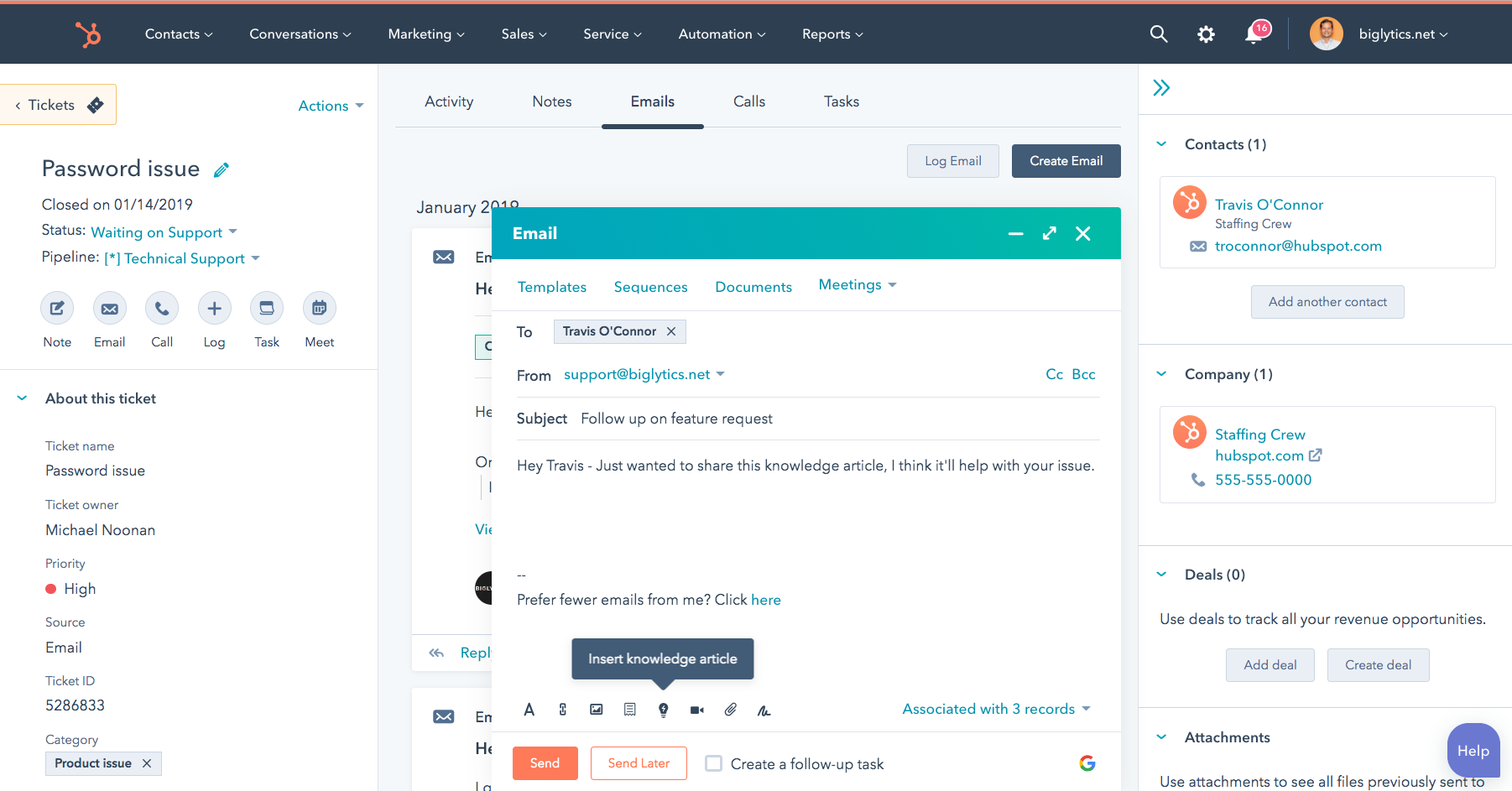
AI-powered CRM software revolutionizes customer support processes by incorporating advanced technologies to enhance efficiency and effectiveness. One key aspect of this transformation is the integration of chatbots and virtual assistants, which play a crucial role in providing automated support to customers.
Role of Chatbots and Virtual Assistants
Chatbots and virtual assistants are AI-driven tools that can interact with customers in real-time, providing instant responses to queries, resolving issues, and guiding users through various processes. These intelligent systems are designed to simulate human conversation and offer personalized assistance, ensuring a seamless customer experience.
- Chatbots can handle routine customer inquiries, such as account information, product details, and order status, without human intervention.
- Virtual assistants can engage in more complex interactions, analyze customer data to anticipate needs, and recommend personalized solutions.
- These AI-powered tools operate 24/7, ensuring round-the-clock support for customers and improving response times.
Automation of Customer Service Tasks
AI automates various customer service tasks within CRM systems, streamlining processes and increasing operational efficiency.
- Automated ticketing systems can categorize and prioritize customer requests, assign them to the right agents, and track resolution progress.
- AI can analyze customer interactions, sentiment, and feedback to identify trends, predict issues, and proactively address customer concerns.
- Automated follow-up emails, notifications, and reminders help maintain communication with customers, reducing manual workload for support teams.
Industry Applications of AI-Powered CRM
AI-powered CRM solutions have revolutionized customer relationship management across various industries. Let’s delve into how different sectors leverage AI technology to enhance their CRM strategies.
E-commerce Sector
In the e-commerce industry, AI-powered CRM systems are utilized to analyze customer behavior, preferences, and purchase history. By leveraging AI algorithms, e-commerce companies can offer personalized product recommendations, optimize marketing campaigns, and improve customer retention rates.
Healthcare Industry
AI-powered CRM plays a crucial role in the healthcare sector by improving patient engagement and healthcare outcomes. These systems help healthcare providers streamline communication with patients, personalize treatment plans, and enhance overall care quality through data-driven insights and predictive analytics.
Financial Sector
In the financial industry, AI-powered CRM tools are used to streamline customer service processes, automate routine tasks, and enhance predictive analytics for better decision-making. By analyzing customer data in real-time, financial institutions can offer personalized services, detect fraud, and optimize cross-selling opportunities.
Telecommunications Industry
AI-driven CRM solutions in the telecommunications sector enable companies to segment customers based on their behavior, preferences, and usage patterns. This allows telecom providers to deliver targeted marketing campaigns, improve customer satisfaction, and increase customer lifetime value through personalized interactions.
Small Businesses vs. Large Enterprises
The adoption of AI-powered CRM varies between small businesses and large enterprises. While large corporations often have the resources to implement complex AI solutions for CRM, small businesses can benefit from scalable and customizable AI tools that cater to their specific needs. Both segments can leverage AI technology to enhance customer relationships, improve operational efficiency, and drive business growth.
Future Trends and Developments in AI-Powered CRM
Artificial Intelligence (AI) continues to revolutionize the way businesses manage customer relationships. As technology advances at a rapid pace, the future of AI-powered Customer Relationship Management (CRM) software holds exciting possibilities. Let’s explore some emerging trends and developments shaping the landscape of AI in CRM.
Hyper-Personalization through AI
With the increasing availability of data and machine learning capabilities, AI-powered CRM systems will enable hyper-personalization like never before. By analyzing customer behavior patterns, preferences, and interactions, businesses can tailor their marketing strategies and customer interactions at a granular level. This level of personalization can lead to higher customer satisfaction, loyalty, and ultimately, increased revenue.
Enhanced Customer Experience with AI Chatbots
AI-driven chatbots are becoming increasingly sophisticated, allowing businesses to provide real-time support and assistance to customers. These chatbots can handle a wide range of queries, resolve issues promptly, and even anticipate customer needs based on previous interactions. As natural language processing and AI algorithms improve, chatbots will continue to enhance the overall customer experience by delivering quick and personalized responses round the clock.
Predictive Analytics for Proactive Decision-Making
AI-powered CRM systems leverage predictive analytics to forecast customer behavior, trends, and outcomes. By analyzing historical data and identifying patterns, businesses can make data-driven decisions to anticipate customer needs, optimize sales strategies, and enhance overall operational efficiency. This proactive approach enables businesses to stay ahead of the competition and adapt to changing market dynamics effectively.
Integration of AI with IoT Devices
The Internet of Things (IoT) is increasingly becoming interconnected with AI-powered CRM systems to gather real-time data from various devices. By leveraging AI algorithms to analyze this data, businesses can gain valuable insights into customer preferences, usage patterns, and product performance. This integration enables seamless communication between devices and CRM systems, providing a holistic view of the customer journey and driving personalized interactions.
Ethical AI and Transparent Data Usage
As AI continues to play a significant role in CRM, businesses must prioritize ethical AI practices and transparent data usage. Ensuring data privacy, consent, and compliance with regulations will be crucial in building trust with customers. By adopting ethical AI frameworks and transparent data practices, businesses can demonstrate their commitment to responsible AI usage and foster long-lasting customer relationships.
Final Summary
As we conclude our exploration of AI-Powered CRM Software, it’s evident that this innovative technology is not just a trend but a necessity in today’s competitive landscape. With its ability to enhance customer relationships, automate tasks, and provide valuable insights, AI-powered CRM software is paving the way for a more efficient and personalized approach to customer management. Embrace the future of CRM with AI technology at its core.
