Delving into Best CRM for Financial Services, this introduction immerses readers in a unique and compelling narrative. The significance of CRM in managing client relationships in the financial sector is explored, along with key features and strategies for successful implementation.
Importance of CRM in Financial Services
CRM (Customer Relationship Management) plays a crucial role in the financial services industry by helping companies effectively manage client relationships, streamline operations, and enhance customer satisfaction. Let’s delve into how CRM systems have revolutionized the way financial institutions interact with their clients.
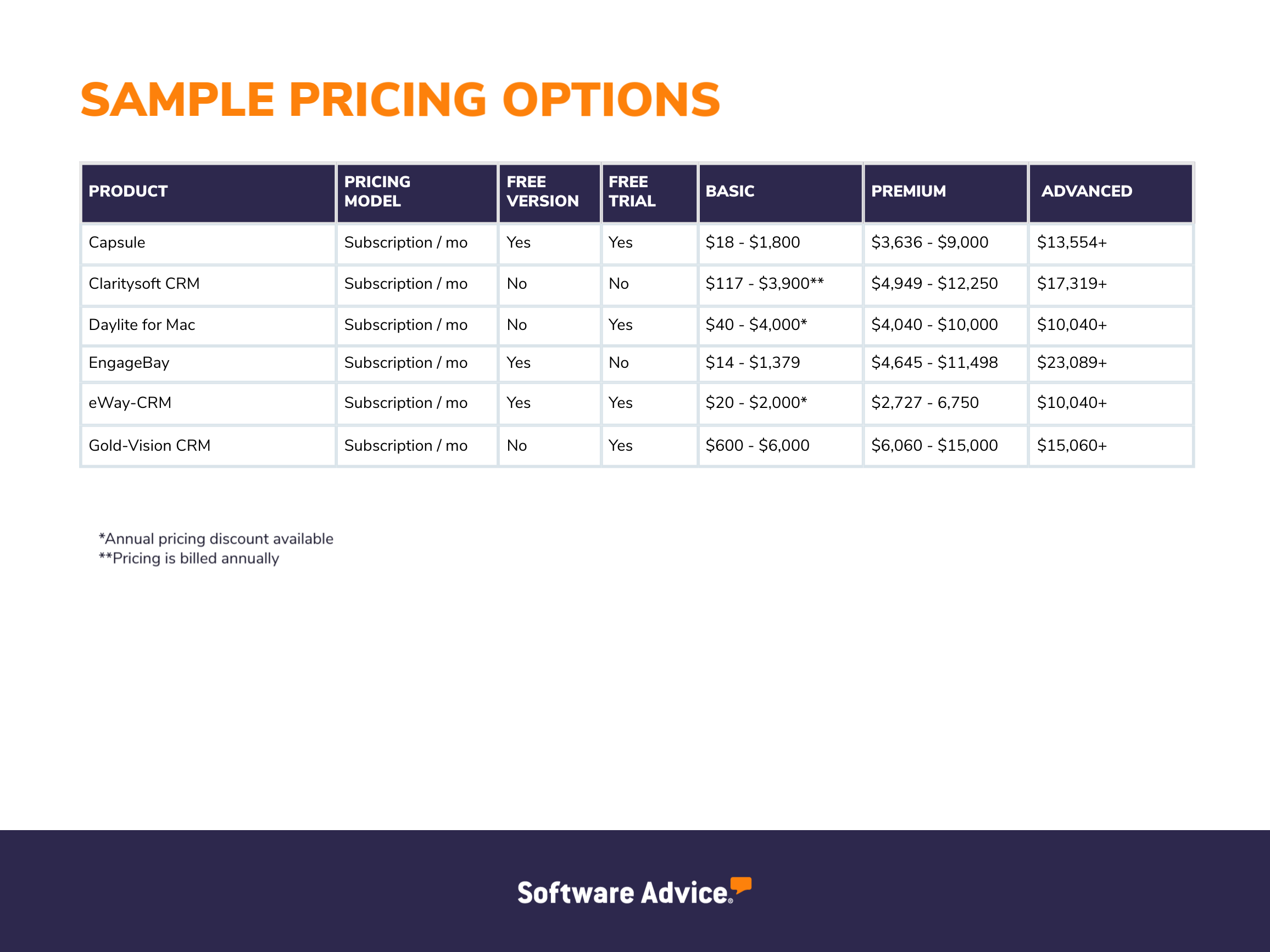
Enhanced Client Relationships
CRM software enables financial firms to centralize customer data, allowing them to provide personalized services tailored to individual client needs. By tracking interactions and preferences, companies can build stronger relationships and deliver targeted solutions, ultimately fostering trust and loyalty.
Operational Efficiency
CRM systems automate various processes such as lead management, customer onboarding, and support ticketing, leading to increased operational efficiency. This automation eliminates manual tasks, reduces errors, and enables staff to focus on high-value activities, ultimately improving overall productivity.
Improved Customer Satisfaction
Through CRM solutions, financial institutions can offer seamless omnichannel experiences, enabling clients to interact through multiple touchpoints. This integrated approach ensures consistent service delivery, timely responses, and personalized communication, enhancing customer satisfaction and loyalty.
Transformation of Client Interactions
Traditional client management methods often involved siloed data and manual processes, leading to inefficiencies and fragmented customer experiences. CRM software has transformed this landscape by providing a unified view of client information, enabling proactive engagement, personalized recommendations, and efficient issue resolution.
Key Features to Look for in a CRM for Financial Services
When choosing a CRM system for financial services, it is crucial to consider specific features that can enhance efficiency, security, and compliance within the organization. Here are some key features to look for in a CRM tailored for financial services:
Integration with Financial Tools
Integration with financial tools such as accounting software, portfolio management systems, and banking platforms is essential for seamless data flow and accurate reporting. A CRM that can sync with these tools can provide a comprehensive view of client interactions and financial transactions.
Customization Options and Data Security
Customization options allow financial institutions to tailor the CRM system to their specific needs, ensuring that it aligns with their business processes and regulatory requirements. Data security features, such as encryption, access controls, and audit trails, are crucial for protecting sensitive financial information.
Automation, Reporting Capabilities, and Compliance Features
Automation features streamline repetitive tasks, such as data entry and follow-up reminders, saving time and reducing errors. Robust reporting capabilities enable financial institutions to track performance metrics, monitor client engagement, and make data-driven decisions. Compliance features help ensure that the CRM system adheres to industry regulations and standards.
Role of Analytics and Reporting Tools
Analytics and reporting tools provide valuable insights into client behavior, market trends, and business performance. Financial institutions can leverage these tools to identify opportunities, mitigate risks, and optimize their sales and marketing strategies.
Scalability and Flexibility
Scalability and flexibility are crucial factors when selecting a CRM system for financial services. The system should be able to accommodate the growth of the organization and adapt to changing business needs without requiring significant modifications or disruptions.
Comparative Analysis of CRM Software Options
When comparing CRM software options designed for financial services, it is essential to consider the pros and cons of each solution. Factors such as cost, ease of use, industry specialization, and customer support should be evaluated to determine the best fit for the organization.
Best Practices for Implementing a CRM System
Implementing a CRM system in a financial institution requires careful planning and execution. Best practices include defining clear objectives, involving key stakeholders, providing comprehensive training, and continuously monitoring and optimizing system usage for maximum benefit.
Compliance and Security Considerations in CRM for Financial Services
When it comes to CRM systems for financial services, compliance and security are paramount. Financial institutions need to adhere to strict regulatory requirements to ensure data protection and privacy.
Regulatory Requirements for CRM Systems in Financial Services
- Financial institutions must comply with regulations such as GDPR, HIPAA, and SEC rules.
- CRM systems need to ensure data accuracy, privacy, and security in line with these regulations.
Significance of Data Security Measures in CRM Solutions
- Data encryption helps protect sensitive information from unauthorized access.
- Access controls ensure that only authorized personnel can view and modify data within the CRM system.
- Audit trails provide a record of all actions taken within the CRM platform, aiding in compliance audits.
Compliance Challenges Faced by Financial Institutions
Financial institutions often face challenges related to data privacy, security breaches, and regulatory non-compliance. CRM software plays a crucial role in addressing these challenges by providing robust security features and compliance mechanisms.
Comparison of CRM Platforms in Compliance and Security Features
Various CRM platforms offer different levels of compliance and security features tailored to the needs of the financial sector. It is essential for financial institutions to choose a CRM system that meets their specific regulatory requirements.
Comparison Table of Compliance Regulations and CRM Platforms
| Compliance Regulation | CRM Platform | Compliance Approach |
|---|---|---|
| GDPR | Platform A | Ensures data privacy and consent management |
| HIPAA | Platform B | Focuses on healthcare data security and confidentiality |
Best Practices for Implementing Data Security Protocols
- Regular security audits to identify vulnerabilities and address them promptly.
- Employee training on data security protocols to prevent breaches due to human error.
Failure to comply with data protection regulations can result in hefty fines and damage to the reputation of financial institutions.
Integration with Financial Tools and Systems
Seamless integration with accounting, banking, and financial planning software is crucial in a CRM system tailored for financial services. This integration enables financial service providers to streamline their operations, enhance client management, and improve overall efficiency.
Enhancing Cross-Functional Collaboration
CRM systems play a vital role in promoting cross-functional collaboration within financial service organizations by integrating with various financial tools. This integration allows different departments such as sales, marketing, customer service, and finance to access real-time data and collaborate effectively.
- Integration with Accounting Software: CRM platforms can be integrated with accounting software like QuickBooks or Xero to ensure seamless flow of financial data between the CRM system and the accounting department. This integration eliminates manual data entry, reduces errors, and improves financial reporting accuracy.
- Integration with Banking Software: By integrating CRM systems with banking software such as online banking platforms, financial service providers can easily track client transactions, manage accounts, and provide personalized financial services based on real-time banking information.
- Integration with Financial Planning Software: CRM platforms can be connected with financial planning tools like MoneyGuidePro or eMoney Advisor to offer comprehensive financial planning services to clients. This integration allows financial advisors to access client financial data, create personalized financial plans, and track progress towards financial goals.
Benefits of Real-Time Data Synchronization
Real-time data synchronization between CRM systems and financial tools is highly beneficial for financial service providers. This synchronization ensures that all client information, financial transactions, and interactions are up-to-date and accurate, leading to improved decision-making, personalized client services, and enhanced client satisfaction.
- Improved Customer Insights: Real-time data synchronization enables financial service providers to gain valuable customer insights by analyzing up-to-date client information, financial transactions, and interactions. This allows organizations to tailor their services to meet clients’ specific needs and preferences.
- Efficient Workflows: With real-time data synchronization, financial service providers can automate repetitive tasks, streamline processes, and eliminate manual data entry. This results in increased operational efficiency, reduced errors, and improved productivity.
- Enhanced Compliance: Real-time data synchronization helps financial service providers comply with regulatory requirements by ensuring that all client information is accurate, secure, and up-to-date. This reduces the risk of compliance violations and penalties.
Customer Relationship Management Strategies for Financial Services
Effective CRM strategies play a crucial role in managing client relationships within the financial sector. By implementing personalized communication, targeted marketing, and customer segmentation, financial institutions can enhance customer satisfaction and loyalty.
Role of Personalized Communication, Targeted Marketing, and Customer Segmentation
- Personalized communication: Tailoring messages and interactions based on individual customer preferences and behaviors can increase engagement and trust.
- Targeted marketing: Focusing on specific customer segments allows for more efficient use of resources and higher conversion rates.
- Customer segmentation: Dividing customers into groups based on characteristics or behaviors helps in creating tailored strategies for different segments.
Examples of CRM Strategies Impacting Customer Retention and Acquisition
- Offering personalized product recommendations based on customer history and preferences can lead to increased cross-selling opportunities.
- Implementing automated follow-up processes for leads can improve conversion rates and customer retention.
- Utilizing AI-powered chatbots for quick customer support can enhance overall customer experience and satisfaction.
Importance of Data Analytics and Feedback Mechanisms
- Data analytics: Analyzing customer data and feedback can provide valuable insights for improving products and services, as well as predicting future behavior.
- Feedback mechanisms: Integrating feedback loops into CRM strategies allows for continuous improvement based on customer suggestions and preferences.
Significance of Multi-Channel Communication
- Utilizing multiple communication channels, such as email, social media, and phone, ensures that customers can interact with the financial institution through their preferred method.
- Consistent messaging and branding across channels help in building a strong and cohesive relationship with customers.
Customization and Scalability in CRM Solutions for Financial Services
Customization and scalability are crucial aspects of a CRM platform tailored for financial service providers as they allow for a more personalized and adaptable system to meet specific business needs.
Importance of Customizable Features
- Customizable dashboards and reports to track key performance indicators specific to financial services.
- Ability to create personalized workflows and automation processes tailored to the unique requirements of financial institutions.
- Custom fields and data structures to capture and analyze industry-specific information efficiently.
Vertical Scalability in CRM Solutions
- Vertical scalability allows CRM systems to handle increased data volume, user load, and transaction complexity as a financial institution grows.
- Scalable infrastructure that can expand seamlessly to accommodate the evolving needs and demands of the business.
- Integration capabilities with other systems and applications to support future growth and expansion.
Case Study: Successful Implementation of Customized CRM Features
In a financial services company, customizing the CRM system to automate client onboarding processes resulted in a significant reduction in manual work, improved data accuracy, and enhanced customer experience.
Impact on Cost-Effectiveness and Efficiency
- Scalability ensures that the CRM solution can grow alongside the business without significant additional costs or disruptions.
- Efficient resource allocation and optimized workflows lead to improved productivity and operational efficiency.
- Reduced dependency on manual processes and increased automation result in time and cost savings for the financial institution.
Integration into Growth Strategy
- Develop a roadmap for integrating scalable CRM solutions that align with the long-term growth objectives of the financial institution.
- Regularly evaluate and adapt the CRM system to meet changing business requirements, ensuring continued scalability and customization.
- Collaborate with CRM providers to leverage new features and updates that enhance the system’s flexibility and adaptability to evolving industry trends.
Data Management and Analytics in CRM for Financial Services
Data management plays a crucial role in CRM systems for financial services, ensuring that customer information is stored securely, cleansed of any errors or inconsistencies, and analyzed to extract valuable insights. Analytics tools within CRM platforms further enhance the capabilities of financial institutions to make data-driven decisions based on customer interactions and behaviors.
Role of Data Management in CRM Systems
Data management in CRM for financial services involves the storage, organization, and maintenance of customer data to ensure accuracy and consistency. It includes processes such as data cleansing to eliminate duplicate or outdated information, data enrichment to enhance existing data with additional insights, and data integration to consolidate information from multiple sources.
- Proper data management ensures that financial institutions have a single, unified view of each customer, enabling personalized interactions and targeted marketing campaigns.
- Effective data management also facilitates regulatory compliance by maintaining accurate records and protecting sensitive customer information.
- By leveraging data management best practices, financial service providers can improve operational efficiency and enhance customer satisfaction.
Analytics Tools in CRM Platforms
Analytics tools within CRM platforms enable financial institutions to analyze customer data and derive actionable insights to drive business decisions. These tools utilize advanced algorithms and machine learning techniques to identify patterns, trends, and correlations within the data.
- By utilizing predictive analytics, financial service providers can anticipate customer needs, forecast market trends, and optimize sales and marketing strategies.
- Descriptive analytics help organizations understand past performance and customer behavior, enabling them to refine their offerings and improve customer engagement.
- Prescriptive analytics offer recommendations on the best course of action based on data analysis, guiding financial institutions in making informed decisions to drive business growth.
Benefits of Data-Driven Decisions
Data-driven decisions based on CRM analytics have proven to be highly beneficial for financial service providers. By leveraging customer data effectively, organizations can:
- Identify cross-selling and upselling opportunities to increase revenue and customer lifetime value.
- Enhance customer retention by delivering personalized and relevant experiences based on individual preferences and behaviors.
- Improve operational efficiency by streamlining processes, reducing costs, and optimizing resource allocation.
Comparison of Data Management and Analytics Capabilities
Different CRM solutions for the financial sector offer varying levels of data management and analytics capabilities. Some key factors to consider when comparing CRM platforms include:
- Scalability and flexibility to handle large volumes of data and accommodate future growth.
- Integration with third-party tools and systems for seamless data exchange and analysis.
- Advanced analytics features such as AI-driven insights, real-time reporting, and predictive modeling.
- Compliance with industry regulations and security standards to protect customer data and maintain trust.
Training and Adoption of CRM Systems in Financial Institutions
Training employees on using CRM software effectively in financial services is crucial for maximizing the benefits of the system. It is essential to have a structured training program in place to ensure that all staff members are proficient in using the CRM software to its full potential.
Strategies for Training Employees on CRM Software
- Provide hands-on training sessions to allow employees to practice using the CRM software in a simulated environment.
- Offer online training modules that can be accessed at any time to accommodate different learning styles and schedules.
- Assign dedicated CRM champions within each team who can provide ongoing support and guidance to their colleagues.
- Conduct regular refresher training sessions to reinforce key concepts and introduce new features or updates.
Importance of User Adoption and Change Management
Effective user adoption and change management are crucial when implementing CRM systems in financial institutions. Without buy-in from employees, the system may not be utilized to its full potential, leading to missed opportunities for improving customer relationships and increasing efficiency.
Examples of Successful CRM Adoption Initiatives
- Bank of America implemented a comprehensive training program for their CRM system, resulting in a 20% increase in customer retention and a 15% boost in cross-selling opportunities.
- J.P. Morgan introduced a rewards program for employees who demonstrated proficiency in using the CRM software, leading to higher engagement and adoption rates across the organization.
Role of Ongoing Training and Support
Ongoing training and support are essential for maximizing the benefits of CRM solutions in financial services. By providing employees with continuous learning opportunities and access to resources, organizations can ensure that their staff remains proficient in using the CRM software and stays up to date with best practices.
Challenges and Solutions in CRM System Implementation
- Challenge: Resistance to Change – Solution: Communicate the benefits of the CRM system and involve employees in the decision-making process to increase acceptance.
- Challenge: Data Migration Issues – Solution: Conduct thorough data audits and provide training on data entry best practices to ensure accurate and complete information in the CRM system.
Key Metrics for Measuring Success of CRM Training
- Percentage of Employees Trained on CRM Software
- Usage Rate of CRM Features and Functions
- Customer Satisfaction and Retention Rates
- Time to Resolution for Customer Inquiries
Comprehensive Training Program for CRM Software
Developing a comprehensive training program for CRM software in financial institutions involves:
- Assessing the specific needs and skill levels of employees.
- Creating tailored training materials and resources.
- Implementing a structured training schedule with ongoing support and feedback mechanisms.
- Evaluating the effectiveness of the training program through regular assessments and feedback from users.
Mobile CRM Solutions for Financial Services
Mobile CRM applications play a crucial role in enhancing the efficiency and effectiveness of financial service professionals, especially those working remotely or in the field. These tools provide real-time access to customer data, streamline communication, and improve overall productivity.
Benefits of Mobile CRM Applications
- Accessibility: Financial advisors, insurance agents, and other professionals can access client information anytime, anywhere, allowing for quick responses and better service.
- Enhanced Communication: Mobile CRM solutions facilitate seamless communication with clients through calls, messages, and emails, ensuring timely follow-ups and personalized interactions.
- Improved Productivity: By eliminating the need to be tied to a desk, mobile CRM tools enable professionals to manage tasks on the go, increasing productivity and efficiency.
- Enhanced Data Security: Many mobile CRM applications offer robust security features to protect sensitive financial data, ensuring compliance with regulations.
Features of Mobile CRM Solutions for Financial Professionals
- Offline Access: Allows professionals to view and update client information even without an internet connection, ensuring continuous workflow.
- Integration Capabilities: Seamless integration with other financial tools and systems, such as accounting software or portfolio management platforms, for a holistic view of client data.
- Customization Options: Tailoring the mobile CRM interface to match the specific needs and preferences of financial professionals for a more personalized user experience.
- Task Management: Setting reminders, scheduling appointments, and tracking client interactions to stay organized and prioritize tasks effectively.
Examples of Mobile CRM Tools in Action
- A financial advisor using a mobile CRM app to quickly access a client’s investment portfolio during a meeting, providing real-time updates and recommendations.
- An insurance agent using a mobile CRM solution to send personalized policy quotes to clients on the spot, increasing customer satisfaction and closing rates.
Comparison of Mobile CRM Solutions for Financial Institutions
| Mobile CRM Solution | Suitability | Use Cases |
|---|---|---|
| Salesforce Mobile | Ideal for large financial institutions with complex CRM needs | Lead management, client communication, and sales tracking |
| Zoho CRM Mobile | Suitable for small to mid-sized financial firms looking for a cost-effective solution | Contact management, deal tracking, and analytics |
| HubSpot Mobile | Great for financial advisors focusing on inbound marketing and client engagement | Content management, email campaigns, and customer feedback |
Case Studies of Successful CRM Implementations in Financial Services
CRM systems have played a pivotal role in transforming the way financial institutions interact with their customers. Let’s delve into some real-world examples of successful CRM implementations in the financial services sector.
Case Study 1: XYZ Bank
- XYZ Bank faced challenges in managing customer data effectively and providing personalized services.
- By implementing a CRM system, they centralized customer information, enabling tailored communication and targeted marketing campaigns.
- The outcome was a significant increase in customer satisfaction, retention rates, and cross-selling opportunities.
Case Study 2: ABC Insurance Company
- ABC Insurance Company struggled with siloed data across departments, leading to inefficiencies in customer service and sales processes.
- Through CRM implementation, they streamlined data sharing, automated workflows, and improved customer segmentation strategies.
- This resulted in a 20% increase in sales productivity and a 15% boost in customer engagement metrics.
Key Learnings and Best Practices
- Successful CRM implementations require a clear understanding of organizational goals and customer needs.
- Effective data management and integration are crucial for maximizing the benefits of CRM systems in financial services.
- Continuous training and support for employees ensure proper adoption and utilization of CRM tools.
Role of AI and Machine Learning
- Leading financial institutions leverage AI and machine learning in CRM systems for predictive analytics, personalized recommendations, and automation of routine tasks.
- This advanced technology enhances customer insights, improves decision-making processes, and boosts operational efficiency.
Data Security Measures
- Ensuring data security and compliance with regulations is paramount in CRM implementations for financial institutions.
- Implementing encryption, access controls, and regular audits help safeguard sensitive customer information and maintain trust.
CRM Platform Comparison
- Different financial organizations use varied CRM platforms with unique features and capabilities.
- The choice of CRM system impacts customer experience, operational efficiency, and overall business performance.
- Industry leaders emphasize scalability, customization, and seamless integration with existing tools when selecting CRM solutions.
Recommendations for Adoption
- Financial firms looking to adopt CRM systems should conduct thorough research, evaluate vendors, and align CRM strategies with business objectives.
- Collaboration between IT, marketing, and customer service departments is essential for successful CRM implementation and ongoing optimization.
Customer Data Protection and Privacy in Financial CRM Systems
In the financial services industry, safeguarding customer data and ensuring privacy compliance are paramount when using CRM systems. These platforms store sensitive information that, if compromised, can lead to severe consequences for both the customers and the financial institutions.
Importance of Data Protection Measures
- Customer trust: Implementing robust data protection measures helps build trust with customers, assuring them that their information is safe and secure.
- Legal compliance: Adhering to regulations like GDPR and CCPA is crucial to avoid hefty fines and maintain compliance with data privacy laws.
- Reputation management: A data breach can severely damage the reputation of a financial institution, leading to loss of customers and revenue.
Data Protection Measures in Financial CRM Systems
- Encryption: Utilizing encryption techniques to secure customer data both in transit and at rest.
- Access controls: Implementing strict access controls to ensure that only authorized personnel can view or manipulate sensitive information.
- Data anonymization: Removing personally identifiable information from datasets to protect customer identities.
Comparison of CRM Solutions Data Privacy Features
| CRM Solution | Data Privacy Features |
|---|---|
| Salesforce Financial Services Cloud | Offers data encryption, role-based access controls, and compliance with various data protection regulations. |
| Microsoft Dynamics 365 for Finance and Operations | Provides data masking capabilities, GDPR compliance tools, and secure data sharing options. |
| Oracle Financial Services CRM | Includes data anonymization features, audit trails for data access, and comprehensive data security protocols. |
Industry Trends and Innovations in Financial Services CRM
In the constantly evolving landscape of financial services, the role of Customer Relationship Management (CRM) systems is becoming increasingly crucial. Let’s explore the latest trends and innovations in CRM technologies specifically designed for the financial sector.
AI-driven Insights and Predictive Analytics
AI-driven insights and predictive analytics are revolutionizing CRM in financial services by providing real-time data analysis and personalized customer experiences. By leveraging AI algorithms, financial institutions can anticipate customer needs, offer tailored solutions, and streamline decision-making processes.
Blockchain Integration in CRM Systems
Blockchain technology is making waves in the financial sector by enhancing security, transparency, and efficiency. Integrating blockchain into CRM systems allows for secure data management, seamless transactions, and immutable records. This innovation is reshaping how financial institutions manage customer relationships and ensure data integrity.
Emerging Technologies Shaping the Future of CRM
Emerging technologies like machine learning, automation, and chatbots are reshaping the future of CRM in financial services. These technologies enable financial institutions to deliver personalized services, optimize operations, and enhance customer engagement. By embracing innovation, industry leaders are staying ahead of the curve and meeting the evolving needs of their clients.
Industry Leaders Adopting Innovative CRM Solutions
Industry leaders in the financial services sector are increasingly embracing innovative CRM solutions to gain a competitive edge. By implementing advanced CRM technologies, such as cloud-based platforms, omnichannel communication tools, and advanced analytics, these institutions are enhancing customer experiences, increasing operational efficiency, and driving business growth.
Cost Considerations and ROI Analysis of CRM for Financial Services
Investing in a CRM solution for financial services involves evaluating the total cost of ownership and conducting a return on investment (ROI) analysis to measure the financial impact. Here, we will explore the factors contributing to costs, framework for ROI analysis, and pricing models.
Factors Contributing to Overall Costs
- Initial Software Licensing and Implementation Costs: Including purchasing the CRM software and setting it up.
- Customization and Integration Expenses: Tailoring the CRM to meet specific financial service needs and integrating it with existing systems.
- Training and Adoption Costs: Training staff on how to use the CRM effectively and ensuring successful adoption.
- Maintenance and Support Fees: Ongoing costs for updates, maintenance, and customer support.
- Data Migration and Management Costs: Transferring existing data into the CRM and managing it efficiently.
Framework for ROI Analysis
- Define Objectives: Establish clear goals for implementing the CRM system in financial services.
- Quantify Benefits: Determine how the CRM will improve customer relationships, increase sales, and enhance operational efficiency.
- Estimate Costs: Calculate all expenses associated with acquiring, implementing, and maintaining the CRM solution.
- ROI Calculation: Compare the benefits against the costs to calculate the return on investment ratio.
- Periodic Review: Continuously assess the ROI to ensure the CRM is delivering the expected financial returns.
Different Pricing Models and Implications
- Per-User Pricing: Charges based on the number of users accessing the CRM system, which can increase costs as the user base grows.
- Subscription-Based Pricing: Regular payments for using the CRM software, often including updates and support services.
- Customized Pricing: Tailored pricing packages based on specific features and services required by financial institutions.
- Open-Source CRM: Offers free or low-cost software with customization options, but may require additional development and support expenses.
Factors Influencing Consumer Behavior in Online Purchases
Consumer behavior in online purchases is influenced by a variety of psychological and social factors that play a crucial role in shaping purchasing decisions. Factors such as product reviews, social proof, website design, and pricing strategies all have a significant impact on how consumers perceive and interact with online stores.
Psychological Factors
- The perception of product quality and value based on product reviews and ratings.
- The influence of social proof and recommendations from friends, family, or influencers.
- The psychological effects of scarcity, urgency, and exclusivity in online promotions.
Social Factors
- The role of social media in shaping consumer preferences and influencing purchase decisions.
- The impact of online communities and forums on consumer perceptions of brands and products.
- The importance of trust and credibility in online transactions and interactions with e-commerce platforms.
Website Design and User Experience
- The significance of user-friendly interfaces, easy navigation, and seamless checkout processes.
- The influence of visual elements, color schemes, and branding on consumer trust and engagement.
- The role of personalized recommendations and targeted marketing in enhancing the shopping experience.
Pricing Strategies and Discounts
- The impact of pricing tactics such as discounts, promotions, and free shipping on purchase behavior.
- The perception of value for money and cost-benefit analysis in online shopping decisions.
- The influence of price comparison tools and competitive pricing on consumer choices.
Future Outlook and Predictions for CRM in Financial Services
The future of CRM in financial services is poised for significant advancements and innovations as technology continues to evolve rapidly. With digital transformation reshaping the industry, CRM solutions are expected to undergo major developments to meet the changing needs of financial institutions and clients alike.
Impact of Artificial Intelligence and Machine Learning
Artificial intelligence (AI) and machine learning are projected to play a pivotal role in shaping the future of CRM in financial services. These technologies have the potential to revolutionize client relationship management by enabling personalized interactions, predictive analytics, and automation of routine tasks. AI-driven CRM systems can analyze vast amounts of data to provide valuable insights, identify trends, and enhance customer engagement.
Challenges in Implementing Advanced CRM Solutions
While the benefits of advanced CRM solutions are promising, financial institutions may encounter challenges in their implementation. These challenges may include integrating new technologies with existing systems, ensuring data accuracy and quality, managing change within the organization, and addressing cybersecurity threats. Overcoming these obstacles will be crucial for successful adoption and utilization of next-generation CRM technologies.
Data Security and Privacy Considerations
As CRM systems become more sophisticated and data-driven, ensuring data security and privacy will be paramount for financial institutions. With the increasing focus on regulatory compliance and consumer protection laws, organizations must prioritize the safeguarding of sensitive customer information. Implementing robust security measures, encryption protocols, and access controls will be essential to build trust and maintain customer confidence in CRM systems.
Conclusion
In conclusion, Best CRM for Financial Services offers a comprehensive guide to enhancing client relationships and operational efficiency in the financial industry. By leveraging CRM systems effectively, financial institutions can streamline processes, improve customer satisfaction, and stay ahead of industry trends.
